מקורות אלו מתעדים את ההיסטוריה העשירה והטרגית של הקהילה היהודית בעיר בלווי (Balvi) שבלטביה. המסמכים כוללים סקירות היסטוריות וסטטיסטיות על חיי החברה, הכלכלה ומוסדות הדת של היהודים בעיר לפני מלחמת העולם השנייה. חלק ניכר מהחומר מוקדש להנצחת קורבנות השואה, ובו רשימות שמיות מפורטות של משפחות שנרצחו על ידי הנאצים בשנת 1941. בנוסף, מופיעה פנייה רשמית של ניצולים ויוצאי העיר לרשויות המקומיות בלטביה בבקשה לשמר את זכר הנרצחים ולתחזק את אתר ההנצחה ביער הסמוך. העדויות האישיות והמסמכים המינהליים מציירים תמונה של קהילה תוססת שחרבה בשנות המלחמה.
על פי המקורות המצורפים, להלן סקירה היסטורית מקיפה ומפורטת על תולדות הקהילה היהודית בעיירה באלבי (Balvi):
העיירה באלבי (המכונה במקורות יהודיים בולווי או בולווה, ובגרמנית Balwa) שוכנת בנפת אברנה (Abrene), במחוז לטגליה (Latgale) שבמזרח לטביה (C-17-1f, C17-4f). היישוב נוסד בתחילת המאה ה-20 כמיזוג של מספר כפרים, ובשנים 1920–1940 היה שייך ללטביה העצמאית (C-17-1f, C17-4f). בשנת 1928 הוענק לבאלבי מעמד של עיר (C17-3f, C17-4f). על פי הערה בטקסט מודפס, ראשיתה של הקהילה היהודית הייתה בתושבי הכפר וילקה (Vilska), וייתכן (במקור: "כנראה") שהתיישבות יהודית התקיימה במקום מאז המאה ה-18 (C17-3f).
הקהילה היהודית בבאלבי הוקמה בשלב מוקדם, ובשנת 1913 היא מנתה בין 30 ל-40 משפחות (C-17-1f, C17-4f). נתונים סטטיסטיים מודפסים מציגים את התפתחות האוכלוסייה היהודית בעיירה:
הקהילה הפעילה מוסדות דת וסעד שונים, בהם בית כנסת, בית מדרש, מקווה וקופת גמילות חסדים (C-17-1f, C17-4f). בתחילה שירת את הקהילה שוחט, ומאוחר יותר מונה רב (C17-4f). בין הדמויות הבולטות היה הרב דוד קובנאט (D. Kovnats), שחתימתו וחותמתו מופיעות על גבי מסמכים רשמיים של "רבנות בולווי" (C17-10f, C17-13f).
בתחום החינוך, הוקם בבאלבי בית ספר יהודי ראשון שבו שפת ההוראה הייתה יידיש, והוא הופעל על ידי העירייה (C-17-1f, C17-4f). בהמשך הקימה הקהילה בית ספר נוסף שבו שפת ההוראה הייתה עברית, ובו פעלו גם ספרייה ומרכז תרבות (C-17-1f, C17-4f). על פי עדות בראיון, המורה לעברית בבית הספר היה ברוך גולדברג (C17-27).
מרבית בני הקהילה היו סוחרים, ומיעוטם בעלי מלאכה (C-17-1f). המקורות מציינים קיומם של מפעל נעליים קטן ובורסקס (מפעל לעיבוד עורות) בבעלות יהודית (C-17-1f, C17-4f). כמו כן, היה בקהילה רופא יהודי אחד (C-17-1f). במקור סטטיסטי מפורט משנת 1936 מופיעה רשימה ארוכה של עסקים בבעלות יהודית, הכוללת חנויות מכולת, טקסטיל, הנעלה, כלי בית, בתי מרקחת ומסעדות (C17-2f). בין השמות המוזכרים כבעלי עסקים: יצחק אלכסנדרוביץ, אברהם זילבר, מרדכי שוויב ונחמה דוידוב (C17-2f). שני יהודים החזיקו בחוות חקלאיות, אך אלו לא עובדו על ידי בעליהן (C-17-1f, C17-4f).
בשנת 1919 נלחמו יהודים מהעיירה לצד הלטבים במלחמתם נגד הבולשביקים (C-17-1f, C17-4f). בראשית שנות ה-20 פעלה בעיירה אגודת הנוער "התחייה", ולאחר מכן נפתחו סניפים של תנועות הנוער "השומר הצעיר" ו"בית"ר" (C-17-1f, C17-4f). בשנת 1936 הקימה תנועת בית"ר נקודת הכשרה חקלאית במקום (C-17-1f, C17-4f). לצד הפעילות הציונית, היו בקהילה גם בודדים שהשתייכו ל"בונד" ולקומוניסטים (C-17-1f, C17-4f). לאורך כל תקופת עצמאות לטביה (1920–1940), היו יהודים חברים בהנהלת העירייה (C-17-1f, C17-4f).
בעקבות הסכם ריבנטרופ-מולוטוב, נכנס הצבא האדום ללטביה ביוני 1940 והוקם שלטון סובייטי (C-17-1f, C17-4f). מוסדות הקהילה וארגונים ציוניים פורקו, וחלק מהיהודים השתלבו במנגנוני הממשל החדש (C-17-1f, C17-4f).
עם פלישת גרמניה לברית המועצות ביוני 1941, נשלחו על ידי הקהילה מספר יהודים קשישים למרכז רוסיה (C-17-1f, C17-4f). צעירים יהודים שהתנדבו להילחם בנאצים צוידו ברובים, וכ-20 גברים הצליחו להימלט ולהתגייס לצבא האדום, אך רובם נהרגו בקרבות (C-17-1f, C17-4f).
ב-2 ביולי 1941 כבש הצבא הגרמני את באלבי (C-17-1f, C17-4f). תוך מספר ימים רוכזו היהודים ברובע הצוענים, שהפך לגטו, והם הועסקו בעבודות כפייה שונות (C-17-1f, C17-4f). בבוקר ה-9 באוגוסט 1941 הועלו היהודים על משאיות והובלו ליער צלמיני (Celmini), המרוחק כ-6 ק"מ מהעיר (C-17-1f, C17-2f). שם הם נצטוו לחפור בורות ונורו למוות על ידי חברי ארגון ה"אייזסארגי" (Aizsargi – ארגון פשיסטי לטבי) (C-17-1f, C17-2f). המקורות מציינים כי שני יהודים הצליחו להיחלץ מהבורות, אך גורלם אינו ידוע (C-17-1f, C17-2f). ברשימות בכתב יד מופיעים שמותיהם של מאות נרצחים, ביניהם משפחות אידלמן, גרינמן, זילבר ולווינסקי (C17-13f, C17-7f).
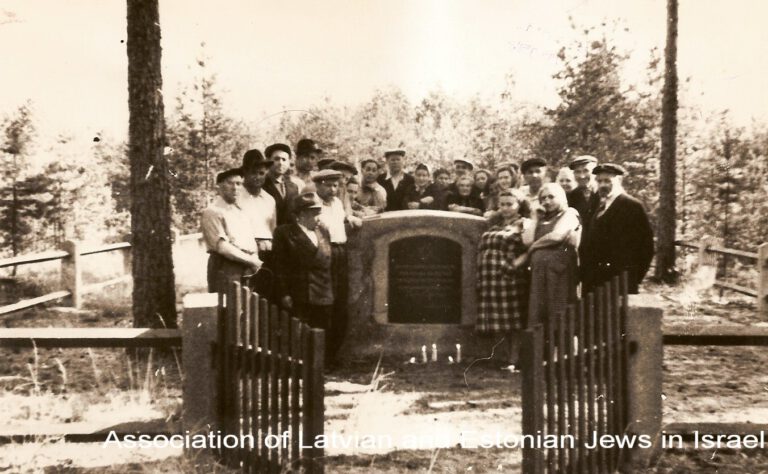
לאחר המלחמה הקימו ניצולים אנדרטה לזכר הנרצחים ביער צלמיני (C-17-1f, C17-2f). האנדרטה מנציחה כ-400 יהודים מקומיים וכ-700 יהודים מקהילות אחרות שנרצחו במקום (C-17-1f, C17-2f). בשנת 2005 פנו ניצולים ובני משפחה, בהם פרידה חיה (Frida Haja), לרשויות בבאלבי בבקשה לשמר ולטפל באתר ההנצחה (C17-12-2f). בתגובה רשמית משנת 2013, אישרה עיריית באלבי כי האתר נשמר וכי מדי שנה ב-4 ביולי מתקיים בו יום זיכרון לקורבנות הג'נוסייד נגד העם היהודי (C17-12-1f).
C17-2f
C17-3f
C17-4f
C17-5f
C17-6f
C17-7f
C17-8f
C17-9f
C17-10f
C17-11f
C17-12-1f
C17-12-2f
C17-13f
C17-14f
C-17-1f
These sources document theThe rich and tragic historyof the Jewish community in the cityBalviIn Latvia. The documents includeHistorical and statistical reviewsOn the social life, economy and religious institutions of the Jews in the city before World War II. A significant part of the material is devoted toTo commemorate the victims of the Holocaust, which contains detailed Semitic lists of families murdered by the Nazis in 1941. In addition, it appearsOfficial requestof survivors and evacuees to local authorities in Latvia, pleaseTo preserve the memory of the murderedand maintain the memorial site in the nearby forest. The personal testimonies and administrative documents paint a picture ofA vibrant community that was destroyedDuring the war years.
Based on the attached sources, the following is a comprehensive and detailed historical overview of the history of the Jewish community in the town.In Albi(Balvi):
The townIn Albi(known in Jewish sources asBolwayorBulawayo, and in GermanBalwa) is located in the sub-districtAvernae(Abrene), in the districtTo Italy(Latgale) in the eastLatvia(C-17-1f, C17-4f). The settlement was founded at the beginning of the 20th century as a merger of several villages, and from 1920 to 1940 it belonged to independent Latvia (C-17-1f, C17-4f). In 1928, Balvi was granted city status (C17-3f, C17-4f). According to a note in the printed text, the Jewish community began with the village residentsWilka(Vilska), and it is possible (originally: "probably") that a Jewish settlement existed there since the 18th century (C17-3f).
The Jewish community in Balbi was established early, and in 1913 it numbered between 30 and 40 families (C-17-1f, C17-4f). Printed statistics show the development of the Jewish population in the town:
The community operated various religious and welfare institutions, includingsynagogue,Beit Midrash,Hopeand the charity fund (C-17-1f, C17-4f). Initially, the community was served by a butcher, and later a rabbi was appointed (C17-4f). Among the prominent figures was the rabbiDavid Covenut(D. Kovnats), whose signature and seal appear on official documents of the "Bolvi Rabbinate" (C17-10f, C17-13f).
In the field of education, the first Jewish school was established in Balvi where the language of instruction wasYiddishand was operated by the municipality (C-17-1f, C17-4f). Later, the community established another school where the language of instruction wasHebrew, which also housed a library and a cultural center (C-17-1f, C17-4f). According to testimony in the interview, the Hebrew teacher at the school wasBaruch Goldberg(C17-27).
Most of the community members were merchants, and a minority were craftsmen (C-17-1f). The sources mention the existence of a small shoe factory and a leather processing factory (C-17-1f, C17-4f). There was also one Jewish doctor in the community (C-17-1f). A detailed statistical source from 1936 contains a long list of Jewish-owned businesses, including grocery stores, textiles, footwear, household goods, pharmacies, and restaurants (C17-2f). Among the names mentioned as business owners:Yitzhak Alexandrovich,Avraham Zilber,Mordechai SchweibandNechama Davidov(C17-2f). Two Jews owned farms, but these were not cultivated by their owners (C-17-1f, C17-4f).
In 1919, Jews from the town fought alongside the Latvians in their war against the Bolsheviks (C-17-1f, C17-4f). In the early 1920s, the town had a youth association called "The resurrection", and then branches of youth movements were opened"The Young Guard"And"Beitar" (C-17-1f, C17-4f). In 1936, the Betar movement established an agricultural training center in the place (C-17-1f, C17-4f). Alongside Zionist activity, there were also a few in the community who belonged to "Bond" and to the communists (C-17-1f, C17-4f). Throughout the entire period of Latvian independence (1920–1940), Jews were members of the municipal administration (C-17-1f, C17-4f).
Following an agreementRibbentrop-Molotov, the Red Army entered Latvia in June 1940 and Soviet rule was established (C-17-1f, C17-4f). Community institutions and Zionist organizations were dissolved, and some Jews were integrated into the new government machinery (C-17-1f, C17-4f).
With the German invasion of the Soviet Union in June 1941, the community sent a number of elderly Jews to central Russia (C-17-1f, C17-4f). Young Jews who volunteered to fight the Nazis were equipped with rifles, and about 20 men managed to escape and enlist in the Red Army, but most of them were killed in the fighting (C-17-1f, C17-4f).
On July 2, 1941, the German army captured Balvi (C-17-1f, C17-4f). Within a few days, the Jews were concentrated in the Gypsy Quarter, which becameghettoand they were employed in various forced labor (C-17-1f, C17-4f). On the morning of August 9, 1941, the Jews were loaded onto trucks and taken to the forest.Celmini(Celmini), located about 6 km from the city (C-17-1f, C17-2f). There they were ordered to dig pits and shot to death by members of the "H" organization.Eissargi" (Aizsargi – Latvian fascist organization) (C-17-1f, C17-2f). The sources state that two Jews managed to escape from the pits, but their fate is unknown (C-17-1f, C17-2f). The handwritten lists include the names of hundreds of those murdered, including familiesIdelman,Greenman,SilverandLewinsky(C17-13f, C17-7f).
After the war, survivors erected a memorial to those murdered in the Tselmini Forest (C-17-1f, C17-2f). The memorial commemorates about 400 local Jews and about 700 Jews from other communities who were murdered there (C-17-1f, C17-2f). In 2005, survivors and family members, includingFarewell Live(Frida Haja), to the authorities in Balbi, requesting them to preserve and care for the memorial site (C17-12-2f). In an official response from 2013, the municipality of Balbi confirmed that the site had been preserved and that every year on July 4th, a day of remembrance for the victims of the genocide against the Jewish people is held there (C17-12-1f).
C17-2f
C17-3f
C17-4f
C17-5f
C17-6f
C17-7f
C17-8f
C17-9f
C17-10f
C17-11f
C17-12-1f
C17-12-2f
C17-13f
C17-14f
C-17-1f