
המקורות מציגים סקירה היסטורית ותיעודית מקיפה של העיירה סבילה (זאבלן) שבלטביה, תוך התמקדות מעמיקה בחיי הקהילה היהודית המקומית. המסמכים משלבים נתונים סטטיסטיים, תצלומי ארכיון ושרטוטים אדריכליים הממחישים את התפתחות העיירה ואת המבנה הכלכלי והחברתי שלה לאורך המאה ה-20. דגש מיוחד מושם על תקופת השואה, הכוללת עדויות על רציחתם של מאות יהודים ביערות סמוכים ועל חורבן חיי הדת והתרבות תחת הכיבוש הנאצי. בנוסף, המקורות עוסקים בגורלו של מבנה בית הכנסת, ששימש כאולם ספורט לאחר המלחמה ובהמשך הפך למוקד למאמצי שימור ושיקום כמרכז תרבות. דרך המכתבים והמאמרים משתקף זיכרון הניצולים והמאמץ להנציח את העבר המפואר של הקהילה שחדלה מלהתקיים.
העיר סבילה (במקורות יהודיים: שבילה או שאבילן; בגרמנית: Zabeln) שוכנת בחבל קורלנד (Kurzeme) שבמערב לטביה, על גדות נהר האבבה (Abava) (C97-3f, C97-4f). המידע המוקדם ביותר על היישוב הוא מהמאה ה-13, אז הוקם סביב מחנה של המסדר הטבטוני (C97-4f). לא ידוע מתי התיישבו יהודים לראשונה במקום, אך רישומים של החברה קדישא המקומית קיימים החל משנת 1809 (C97-3f, C97-4f). במהלך המאה ה-19 גדלה האוכלוסייה היהודית במהירות, ובשנת 1881 היא מנתה 873 נפשות, שהיוו כ-62% מכלל תושבי העיר (C97-3f, C97-4f). בשנת 1910 נרשמה ירידה במספר היהודים ל-700 נפש (C97-4f).
בקהילת סבילה כיהנה שורת רבנים בולטים לאורך השנים. הרב הראשון של הקהילה, החל משנת 1840, היה הרב מנחם מנדל איציגסון (C97-3f). אחריו כיהנו הרב מרדכי-ארי סמוגלוב, הרב חיים לייב סילברמן והרב צבי ואלקה (C97-3f). רב הקהילה הרב בנימין יונתן כהן נהג להעביר שיעורי תלמוד למבוגרים פעמיים בשבוע ולימד תורה בשבתות (C97-4f). הרב האחרון של הקהילה היה הרב יצחק סגל, אשר נספה בשואה עם בני קהילתו (C97-4f). בעיר נבנו שני בתי כנסת, ובשנת 1897 נפתחה בה ישיבה, אך היא נסגרה זמן קצר לאחר מכן בשל קשיים כלכליים (C97-4f, C97-3f). בארכיון קיימות תוכניות אדריכליות משנת 1936 להקמת בית מרחץ (מקווה) עבור הקהילה היהודית ברחוב סטראוטו (Strautu) מספר 6 (C97-6f).
רוב יהודי סבילה עסקו במסחר ובמלאכה. הם היו בעלי חנויות מכולת וטקסטיל, סוחרי עצים ובקר, וכן בעלי מלאכה כגון חייטים, סנדלרים ופחחים (C97-4f). בשנת 1935 היו 37 מתוך 71 העסקים בעיר בבעלות יהודית (C97-4f). היחסים עם האוכלוסייה המקומית היו בדרך כלל טובים, ובעקבות מהפכת 1905 הקימה הקהילה קבוצת הגנה עצמית מחשש לפרעות (C97-4f). בתחום החינוך, ילדים יהודים למדו בבית הספר הכללי, בעוד הבנים קיבלו השלמה לימודית בחדר והבנות בשיעורים פרטיים (C97-4f). לאחר מלחמת העולם הראשונה, החל לפעול בעיר בית ספר יהודי שנתמך על ידי העירייה ולימד ביידיש ובעברית בשעות אחר הצהריים במבנה של בית הספר הלטבי (C97-4f). מבחינה פוליטית, לא הייתה פעילות ציונית מאורגנת רבה, למעט סניף של תנועת הנוער בית"ר (C97-4f).
בשנת 1915, במהלך מלחמת העולם הראשונה, גירשו השלטונות הרוסיים את כל יהודי קורלנד לפנים רוסיה (C97-3f, C97-4f). רבים מהם לא חזרו לעיר לאחר המלחמה, ובשנת 1920 מנתה הקהילה 224 יהודים בלבד (C97-4f). באותה שנה נבחר ועד קהילה בעזרת ארגון הג'וינט (JDC), אשר סייע בשיקום החיים הקהילתיים, הקמת קרן הלוואות ומתן טיפול רפואי ותרופות בחינם לנזקקים (C97-3f, C97-4f). הערה בכתב יד על גבי מסמך מציינת כי העיירה ממוקמת על שפת נהר האבבה (Abava) במרחק של 25 ק"מ מסטנדה (Stende) (C97-7f).
בעקבות הסכם ריבנטרופ-מולוטוב נכנס הצבא האדום ללטביה בקיץ 1940 (C97-1f). תחת השלטון הסובייטי הולאמו עסקים פרטיים וחיי הציבור היהודיים החלו להיפסק בהדרגה (C97-1f, C97-4f). ביוני 1941 הוגלו מספר משפחות יהודיות "אמידות" לסיביר (C97-1f, C97-4f). עם פלישת גרמניה הנאצית ב-22 ביוני 1941, הצליחו יהודים בודדים להימלט (C97-1f). העיר נכבשה ב-1 ביולי 1941, וזמן קצר לאחר מכן הפכו הנאצים את בית הכנסת לבית מרחץ ציבורי ושרפו את ספרי התורה (C97-1f, C97-4f). היהודים רוכזו בבית אחד ומשם הובלו ליער במרחק של כ-5 ק"מ מהעיר, סמוך למפלי מים, שם נרצחו (C97-1f, C97-3f). המקורות מציינים כי פשיסטים לטבים מקומיים רצחו כמה יהודים ושדדו את רכושם עוד לפני הגעת הגרמנים (C97-4f).
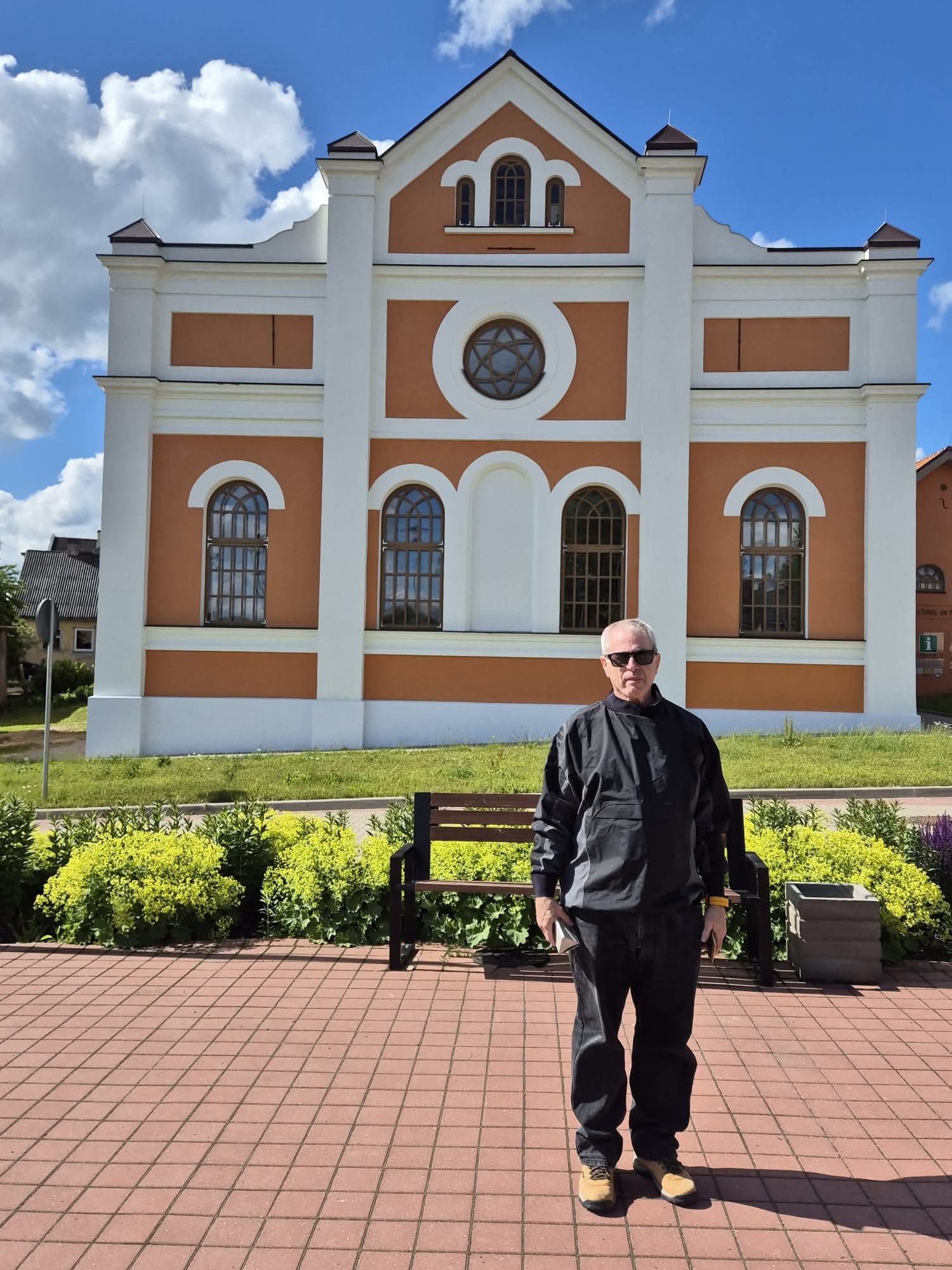
העיר שוחררה על ידי הצבא האדום באביב 1945 (C97-1f, C97-4f). קיימות גרסאות שונות לגבי מספר הגופות שנמצאו בקבר האחים: לפי גרסה אחת נמצאו 770 חללים, ולפי גרסה אחרת 372 (C97-1f, C97-4f). העירייה הקימה מצבה לזכר הקורבנות באתר הרצח (C97-1f, C97-4f). מבנה בית הכנסת שימש לאורך השנים כאולם ספורט (C97-1f, C97-5-2f). בשנת 2000 פורסם כי קבוצת נלהבים מנסה לשקם את המבנה ולהפכו לאולם קונצרטים ותערוכות, בתמיכת קרן "עמק אבבה" וממשלת שווייץ (C97-5-1f, C97-5-2f). המידע במקורות מציין כי בשנות ה-60 לא חיו עוד יהודים בסבילה (C97-1f, C97-4f).
The sources present a comprehensive historical and documentary overview of the town. Sabila (Zabeln) in Latvia, with a deep focus on my life The Jewish community The documents combine Statistical data, archival photographs and architectural drawings that illustrate the development of the town and its economic and social structure throughout the 20th century. Special emphasis is placed on Holocaust period, which includes evidence of the murder of hundreds of Jews in nearby forests and the destruction of religious and cultural life under the Nazi occupation. In addition, the sources deal with the fate of Synagogue building, which served as a sports hall after the war and later became the focus of preservation and restoration efforts as a cultural center. Through the letters and articles, the memory of the survivors and the effort to perpetuate the glorious past of the community that ceased to exist are reflected.
The city Sabila (In Jewish sources: Shebilla or Chavillen; in German: Zabeln) is located in the region Courland (Kurzeme) in western Latvia, on the banks of the riverAbba (Abava) (C97-3f, C97-4f). The earliest information about the settlement dates back to the 13th century, when it was established around a camp of Teutonic Order (C97-4f). It is not known when Jews first settled in the area, but records from theSherva Kadisha The local Jewish community has existed since 1809 (C97-3f, C97-4f). During the 19th century, the Jewish population grew rapidly, and in 1881 it numbered 873, which constituted about 62% of the city's total population (C97-3f, C97-4f). In 1910, the number of Jews decreased to 700 (C97-4f).
In the community Sabila A series of prominent rabbis have served over the years. The community's first rabbi, beginning in 1840, was Rabbi Menachem Mendel Itzigson (C97-3f). He was followed by Rabbi Mordechai-Ari Smogloub, Rabbi Chaim Leib Silverman andRabbi Zvi Valka (C97-3f). The Rabbi of the community Rabbi Benjamin Jonathan Cohen He used to give Talmud lessons to adults twice a week and taught Torah on Shabbat (C97-4f). The last rabbi of the community was Rabbi Yitzhak Segal, who perished in the Holocaust with members of his community (C97-4f). Two were built in the city Synagogues, and in 1897 it opened meeting, but it closed shortly afterwards due to financial difficulties (C97-4f, C97-3f). The archive contains architectural plans from 1936 for the construction of a bathhouse (mikveh) for the Jewish community on the street. Stereo (Strautu) Number 6 (C97-6f).
Jewish majority Sabila They were engaged in trade and crafts. They owned grocery and textile stores, timber and cattle dealers, and craftsmen such as tailors, shoemakers, and tinsmiths (C97-4f). In 1935, 37 of the 71 businesses in the city were Jewish-owned (C97-4f). Relations with the local population were generally good, and following the 1905 revolution, the community formed a self-defense group for fear of riots (C97-4f). In the field of education, Jewish children attended the general school, while boys received their education atroom and the girls in private lessons (C97-4f). After World War I, a Jewish school began operating in the city, supported by the municipality, and taught in Yiddish and Hebrew in the afternoons in the building of the Latvian school (C97-4f). Politically, there was little organized Zionist activity, except for a branch of the youth movement Beitar (C97-4f).
In 1915, during World War I, the Russian authorities expelled all Jews. Courland Formerly Russia (C97-3f, C97-4f). Many of them did not return to the city after the war, and in 1920 the community numbered only 224 Jews (C97-4f). In that year a community committee was elected with the help of the organization of theJoint (JDC), which helped restore community life, establish a loan fund, and provide free medical care and medicine to the needy (C97-3f, C97-4f). A handwritten note on a document indicates that the town is located on the banks of the RiverAbba (Abava) 25 km fromStanda (Stende) (C97-7f).
after Ribbentrop-Molotov Pact The Red Army entered Latvia in the summer of 1940 (C97-1f). Under Soviet rule, private businesses were nationalized and Jewish public life began to gradually cease (C97-1f, C97-4f). In June 1941, a number of "wealthy" Jewish families were deported to Siberia (C97-1f, C97-4f). With the invasion of Nazi Germany on June 22, 1941, a few Jews managed to escape (C97-1f). The city was occupied on July 1, 1941, and shortly thereafter the Nazis converted the synagogue into a public bathhouse and burned the Torah scrolls (C97-1f, C97-4f). The Jews were gathered in one house and from there they were taken to a forest about 5 km from the city, near waterfalls, where they were murdered (C97-1f, C97-3f). The sources indicate that local Latvian fascists murdered several Jews and robbed their property even before the Germans arrived (C97-4f).
The city was liberated by the Red Army in the spring of 1945 (C97-1f, C97-4f). There are different versions regarding the number of bodies found in the mass grave: according to one version, 770 dead were found, and according to another, 372 (C97-1f, C97-4f). The municipality erected a monument to the victims at the murder site (C97-1f, C97-4f). The synagogue building was used over the years as a sports hall (C97-1f, C97-5-2f). In 2000, it was announced that a group of enthusiasts were trying to restore the building and turn it into a concert and exhibition hall, with the support of the "Emek Abba" Foundation and the Swiss government (C97-5-1f, C97-5-2f). The information in the sources indicates that in the 1960s, there were no more Jews living inSabila (C97-1f, C97-4f).