מקורות אלו מתעדים את תולדות הקהילה היהודית בעיר וינדאו (ונטספילס) שבמחוז קורלנד, לטביה, החל מהמאה ה-18 ועד לאחר השואה. האוסף כולל מחקרים גנאלוגיים על משפחת ליפשיץ, שהייתה החלוצה בהתיישבות היהודית במקום, לצד סקירות היסטוריות על צמיחת המוסדות הדתיים, החינוכיים והכלכליים בעיר. מסמכים מתוך ארכיונים, רשימות דמוגרפיות וקטעי עיתונות בעברית ובגרמנית מפרטים את השפעת הציונות והסוציאליזם על חיי הציבור המקומיים. חלק ניכר מהחומר מוקדש לטרגדיה של חורבן הקהילה בשואה, תוך פירוט מעשי הרצח ביערות הסמוכים בשנת 1941. בנוסף, המקורות מציגים עדויות אישיות ורשימות ביבליוגרפיות המשמשות בסיס למחקר היסטורי מקיף על יהדות לטביה. התמונות והמסמכים המצולמים משמרים את זכרם של האישים והקהילה שחדלה מלהתקיים.
העיר ונטספילס (Ventspils), הידועה במקורות היהודיים כוונדין או ווינדוי ובגרמנית כווינדאו (Windau), שוכנת בנפת קורלנד (Kurland) לחוף הים הבלטי, סמוך לשפך נהר הוונטה (Venta) (C47-4f). ראשיתו של היישוב היה כמבצר עתיק במאה ה-10, כאשר מעמד של עיר הוענק למקום בשנת 1378 (C47-1f, C47-4f). לאורך השנים הייתה העיר תחת שלטון מסדר האבירים הליבוני, דוכסות קורלנד (בחסות פולין), ובשנת 1795 סופחה לרוסיה (C47-4f, C47-6f). חשיבותה של העיר נבעה מהיותה עיר נמל שמימיה אינם קופאים בחורף (C47-4f).
היהודי הראשון שהתיישב בעיר בשנת 1780 היה יקותיאל קאופמן ליפשיץ (Jekuthiel Kaufmann Liebschutz), שהגיע מפראג (Prague) (C47-11f, C47-13f). על פי מסורת משפחתית המופיעה במקורות, הוא היה סוחר שהוזמן על ידי הדוכס פיטר בירון (Duke Peter Biron) כדי לסייע בפיתוח המסחר ולספק את צורכי החצר (C47-13f). בעקבותיו הגיעו יהודים נוספים מהכפרים הסמוכים, מפרוסיה, מליטא ומהעיר הסמוכה פילטן (Pilten) (C47-4f). התיישבות היהודים במקום זכתה להכרה חוקית רק לאחר שקורלנד סופחה לרוסיה (C47-4f).
בשנת 1831 נוסדו בקהילה חברה קדישא ובית עלמין (C47-1f). האוכלוסייה היהודית צמחה בהתמדה: בשנת 1835 מנו היהודים 485 נפש, ובערב מלחמת העולם הראשונה, בשנת 1914, הגיעה הקהילה לשיאה עם כ-5,000 נפש, שהיוו כ-19% מכלל האוכלוסייה (C47-1f, C47-4f).
מרכז החיים הדתיים כלל בית כנסת גדול, בית מדרש ומספר מניינים פרטיים (C47-4f). בין המוסדות לשירות הקהילה פעלו אגודת "ביקור חולים", בית מרחץ ציבורי ומקוה (C47-4f). ברשימות המודפסות מצוין כי רב הקהילה הראשון היה רבי אליהו יעקבזון (Elijah Jacobsohn), שכיהן עד פטירתו בשנת 1864 (C47-3f). אחריו כיהנו הרבנים מרדכי א. סמונוב (Samunov), ונכדו רבי אפרים סמונוב, שכיהן משנת 1897 ועד לאחר מלחמת העולם הראשונה (C47-1f, C47-4f).
בתחום החינוך פעלו בעיר תלמוד תורה ומספר חדרים פרטיים (C47-4f). לפני מלחמת העולם הראשונה נפתח בעיר בית ספר ממלכתי רוסי לבנים יהודים (C47-4f). בתקופת לטביה העצמאית, הקימה העירייה בית ספר יסודי יהודי, והקהילה הקימה גימנסיה יהודית (C47-1f). שפות ההוראה במוסדות אלו היו רוסית וגרמנית, והתלמוד תורה המשיך בפעילותו (C47-4f).
מרבית היהודים עסקו במסחר או היו בעלי מלאכה (C47-4f). היהודים היו בולטים בפיתוח הכלכלי של העיר, וביניהם היו סוחרים אמידים שעסקו בעיקר בענפי העץ, התבואה והעורות, וכן קבלני בניין ובנקאים (C47-4f). במקצועות החופשיים פעלו רופאים, רופאי שיניים ורוקחים (C47-4f). בראשית המאה ה-20 נפתחה עבורם קרן הלוואות וחיסכון (C47-4f). בתקופת לטביה העצמאית, פעל בעיר סניף של "בנק הסוחרים של ליבאו" ו"מועדון הסוחרים" של בעלי הבתים והסוחרים היהודים (C47-4f).
אחת הדמויות הבולטות בעיר היה יעקב שפירא (Yancov Shapira), חבר הקהילה שנבחר בשנת 1907 כציר לדומה השנייה (Duma) ברוסיה הקיסרית, במסגרת המאבק לשוויון זכויות ליהודים (C47-4f). דמות בולטת נוספת הייתה מקס ברמן (Max Berman), ממייסדי וראשי אגודת הספורט "מכבי" בעיר (C47-5f). המקורות מציינים גם את ד"ר יצחק קפלן (Itzhak Kaplan), שהיה ציוני מסור ורופא מוערך (C47-5f).
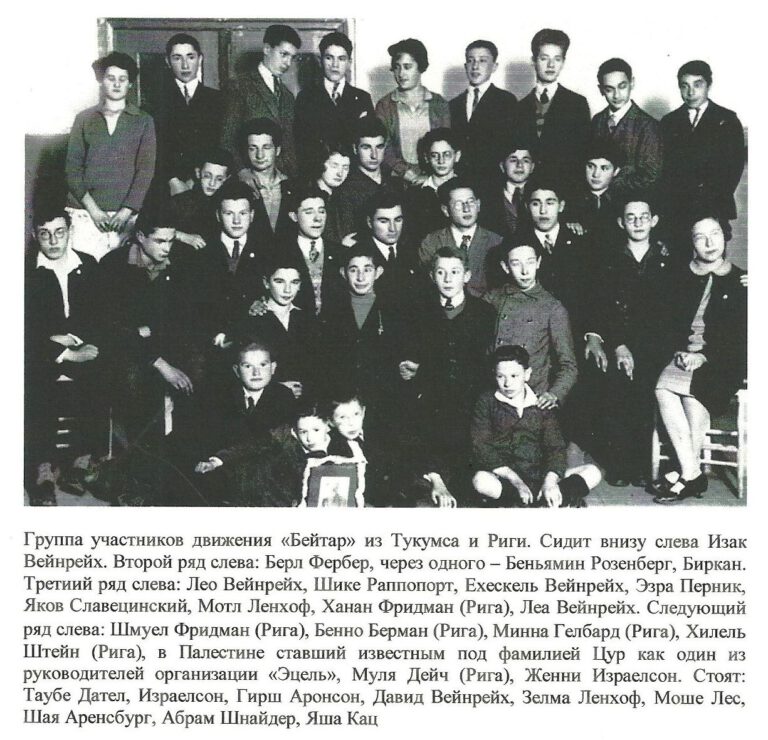
חברי מפלגת ה**"בונד"** (Bund) הסוציאליסטית היו פעילים בפעילות מהפכנית בראשית המאה ה-20 (C47-4f). לאחר מלחמת העולם הראשונה, נטתה מרבית הקהילה לציונות (C47-4f). פעלו בעיר מפלגות כגון "צעירי ציון", "המזרחי" ו**"ההסתדרות הציונית", ותנועות נוער כמו "בית"ר" ו"הנדרור"** (C47-1f, C47-4f). חלק מחברי הקהילה עלו לארץ ישראל ואחרים תרמו כספים ליישוב (C47-4f).
בשנת 1915, במהלך מלחמת העולם הראשונה, גורשו יהודי קורלנד לפנים רוסיה כ"אלמנטים לא מהימנים" (C47-4f). הגירוש בוצע תוך 24 שעות בלבד והיהודים הובלו בקרונות בקר (C47-11f). לאחר המלחמה חזרו חלק מהיהודים לעיר, והקהילה התארגנה מחדש (C47-4f). בשנת 1920 מנתה הקהילה 863 נפש (11% מהאוכלוסייה), ובשנת 1935 עלה מספרם ל-1,246 נפש (C47-4f).
בעקבות הסכם ריבנטרופ-מולוטוב מאוגוסט 1939, נכנס הצבא האדום ללטביה והקים בה ממשלה סובייטית בקיץ 1940 (C47-4f). עסקים וחנויות הולאמו, ובעלי רכוש יהודים הוגלו לסיביר (C47-4f, C47-32f). עם פרוץ המלחמה בין גרמניה לברית המועצות ב-22 ביוני 1941, התגייסו יהודים ל**"משמר הפועלים"** (Workers Guard) (C47-4f). כאשר הסובייטים החלו לסגת, רק מספר קטן של יהודים הצליח לברוח לפנים רוסיה, והצעירים שביניהם הצטרפו לצבא האדום (C47-4f).
ב-1 ביולי 1941 נכבשה העיר על ידי כוחות גרמניים, כשבמקום נותרו כ-1,000 יהודים (C47-4f). במהלך השבוע השני לכיבוש, רוכזו חברי הקהילה בבתי הכנסת ובמספר מבנים סמוך לנהר (C47-4f). הוטלו עליהם הגבלות תנועה, הם חויבו לענוד את הטלאי הצהוב ונשלחו לעבודות כפייה (C47-4f, C47-33f).
ההוצאות להורג החלו בשבוע השלישי של יולי 1941, כאשר מאות גברים יהודים נורו ביערות קאזין (Kazin forests), כ-2 ק"מ מדרום לעיר (C47-4f). ב-3 וב-17 באוקטובר 1941 נרצחו יתרת בני הקהילה – 533 נפש, בעיקר נשים וילדים (C47-1f, C47-4f). המקורות מתארים אירוע שבו שני צעירים יהודים, שנצטוו לחפור את קבריהם, תקפו את שומריהם והרגו תשעה מהם לפני שנורו למוות (C47-1f, C47-4f).
בין הקורבנות הבולטים היה ד"ר פיטסלברג (Pitselberg), רופא הקהילה, שסירב לעזוב את חוליו ונרצח יחד עמם (C47-5f). העיר שוחררה על ידי הצבא האדום בשנת 1944 (C47-4f). בשנת 1959 הקימו השלטונות אתר זיכרון לקורבנות הפאשיזם ביער קאזין, אך באתר אין כל ציון לכך שמרבית הנרצחים היו יהודים (C47-4f).
These sources document the History of the Jewish community in the city of Windau (Ventspils) in the Courland region, Latvia, from the 18th century until after the Holocaust. The collection includes Genealogical studies About the Lipschitz family, who were the pioneers in Jewish settlement in the area, alongside historical reviews of The growth of religious institutionsDocuments from archives, demographic lists, and newspaper clippings in Hebrew and German detail the city's educational and economic The influence of Zionism and socialism about local public life. A significant portion of the material is devoted to the tragedy of The destruction of the community in the Holocaust, detailing the murders in the nearby forests in 1941. In addition, the sources present Personal testimonies and bibliographical lists which serve as a basis for comprehensive historical research on Latvian Jewry. The photographs and documents preserve the The memory of the individuals and the community Which ceased to exist.
The city Ventspils (Ventspils), known in Jewish sources asWendine or Window And in German asWindow (Windau), located in the subdistrict Courland (Kurland) on the Baltic Sea coast, near the mouth of the riverWente (Venta) (C47-4f). The settlement began as an ancient fortress in the 10th century, when the status of a city was granted to the place in 1378 (C47-1f, C47-4f). Over the years the city was under the rule of Order of the Knights of the Order of the Holy Trinity, Duchy of Courland (under the protection of Poland), and in 1795 was annexed toRussia (C47-4f, C47-6f). The city's importance stemmed from its being a port city whose waters do not freeze in winter (C47-4f).
The first Jew to settle in the city in 1780 was Yekutiel Kaufman Lifshitz (Jekuthiel Kaufmann Liebschutz), who came fromPrague (Prague) (C47-11f, C47-13f). According to a family tradition appearing in the sources, he was a merchant who was commissioned by Duke Peter Byron (Duke Peter Biron) to help develop trade and supply the needs of the court (C47-13f). He was followed by other Jews from nearby villages, fromPrussia, fromLithuania And from the nearby city Pilten (Pilten) (C47-4f). The Jewish settlement there was only legally recognized after Courland was annexed to Russia (C47-4f).
In 1831, the community was founded Sherva Kadisha and a cemetery (C47-1f). The Jewish population grew steadily: in 1835 there were 485 Jews, and on the eve of World War I, in 1914, the community reached its peak with about 5,000 people, who constituted about 19% of the total population (C47-1f, C47-4f).
The Center for Religious Life in Clal Large synagogue, Beit Midrash and a number of private minyanim (C47-4f). Among the institutions serving the community were the "Visit to the sick", public bathhouse andMikvah (C47-4f). The printed lists indicate that the first rabbi of the community was Rabbi Eliyahu Jacobson (Elijah Jacobsohn), who served until his death in 1864 (C47-3f). He was followed by the rabbis Mordechai A. Samonov (Samunov), and his grandson Rabbi Ephraim Samonov, who served from 1897 until after World War I (C47-1f, C47-4f).
In the field of education, the city Talmud Torah and a number Rooms Private (C47-4f). Before World War I, a Russian state school for Jewish boys was opened in the city (C47-4f). During the period of independent Latvia, the municipality established a Jewish elementary school, and the community established Jewish Gymnasium (C47-1f). The languages of instruction in these institutions were Russian and German, and Talmud Torah continued its activities (C47-4f).
Most Jews were engaged intrade Or were Craftsmen (C47-4f). The Jews were prominent in the economic development of the city, and among them were wealthy merchants who dealt mainly in thetree, thegrain AndSkins, as well as building contractors and bankers (C47-4f). Doctors, dentists and pharmacists worked in the liberal professions (C47-4f). At the beginning of the 20th century, a loan and savings fund was opened for them (C47-4f). During the period of independent Latvia, a branch of the "Merchants' Bank of Libau" and the "Merchants' Club" of Jewish homeowners and merchants (C47-4f) operated in the city.
One of the most prominent figures in the city was Yaakov Shapira (Yancov Shapira), a community member who was elected in 1907 as a delegate tolike The Second Duma in Imperial Russia, as part of the struggle for equal rights for Jews (C47-4f). Another prominent figure was Max Berman (Max Berman), one of the founders and heads of the Sports Association "Maccabi" in the city (C47-5f). The sources also mention the Dr. Yitzhak Kaplan (Itzhak Kaplan), who was a dedicated Zionist and a respected physician (C47-5f).
Members of the socialist **"Bund"** party were active in revolutionary activities in the early 20th century (C47-4f). After World War I, most of the community tended toZionism (C47-4f). Parties such as "Youth of Zion", "The Eastern" and **"The Zionist Organization", and youth movements such as "Beitar" and"Hendror"** (C47-1f, C47-4f). Some members of the community immigrated to Israel and others donated money to the settlement (C47-4f).
In 1915, during World War I, the Jews of Courland were deported to the Russian interior as "unreliable elements" (C47-4f). The deportation was carried out within just 24 hours and the Jews were transported in cattle cars (C47-11f). After the war, some Jews returned to the city, and the community reorganized (C47-4f). In 1920, the community numbered 863 (11% of the population), and in 1935 their number had increased to 1,246 (C47-4f).
after Ribbentrop-Molotov Pact From August 1939, the Red Army entered Latvia and established a Soviet government there in the summer of 1940 (C47-4f). Businesses and shops were nationalized, and Jewish property owners were deported toSiberia (C47-4f, C47-32f). With the outbreak of war between Germany and the Soviet Union on June 22, 1941, Jews enlisted in the **Workers Guard** (C47-4f). When the Soviets began to retreat, only a small number of Jews managed to escape to the Russian interior, and the young among them joined theRed Army (C47-4f).
On July 1, 1941, the city was occupied by German forces, leaving about 1,000 Jews (C47-4f). During the second week of the occupation, members of the community were concentrated in synagogues and several buildings near the river (C47-4f). Movement restrictions were imposed on them, they were required to wear the The yellow patch and sent to forced labor (C47-4f, C47-33f).
The executions began in the third week of July 1941, when hundreds of Jewish men were shot inKazin Forests (Kazin forests), about 2 km south of the city (C47-4f). On 3 and 17 October 1941, the remaining members of the community – 533 people, mainly women and children – were murdered (C47-1f, C47-4f). The sources describe an incident in which two young Jews, who had been ordered to dig their own graves, attacked their guards and killed nine of them before being shot dead (C47-1f, C47-4f).
Among the most notable victims was Dr. Pittsberg (Pitselberg), the community doctor, who refused to leave his patients and was murdered along with them (C47-5f). The city was liberated by the Red Army in 1944 (C47-4f). In 1959, the authorities established a memorial site for the victims of fascism in the Kazin Forest, but the site contains no indication that most of those murdered were Jews (C47-4f).