מקורות אלו סוקרים את תולדות הקהילה היהודית בעיר באוסקה, החל מהתיישבותם הראשונה במאה ה-17 ועד לחורבנה המוחלט בשואה. הטקסטים מציגים נתונים דמוגרפיים וכלכליים מפורטים, המדגישים את צמיחת האוכלוסייה היהודית ואת מרכזיותה בחיי המסחר והמלאכה המקומיים. לצד זאת, המסמכים מתארים עולם רוחני עשיר הכולל בתי כנסת, מוסדות צדקה וחינוך, ורבנים בולטים כמו הרב קוק שפעלו בעיר. המקורות מתעדים גם את המאבקים הפוליטיים והלאומיים של הקהילה, כולל פעילות ציונית ענפה ותנועות נוער שונות. הפרקים האחרונים מוקדשים לתיאור הכיבוש הנאצי והרצח ההמוני של יהודי העיר והסביבה בשנת 1941. לסיכום, האוסף מהווה תיעוד היסטורי מקיף המשלב מסמכים ארכיוניים, נתונים סטטיסטיים וסקירות על חיי הדת והחברה בקהילה זו.
על בסיס המקורות המצורפים, להלן סקירה היסטורית מקיפה ומפורטת על תולדות הקהילה היהודית בבאוסקה (Bauska; ובמקורות היהודיים: בויסק). יצוין כי אף שביקשת סקירה על יהדות אסטוניה, המקורות עוסקים באופן בלעדי בקהילת באוסקה הנמצאת בחבל זמגלה (קורלנד לשעבר) שבדרום לטביה (-C16-4f, C16-11f).
העיר באוסקה הוקמה באמצע המאה ה-15 על ידי המסדר הליבוני כמבצר נגד פלישות מליטא (-C16-4f, C16-11f). בשנת 1511 קיבל היישוב זכויות עיר (-C16-4f). בין השנים 1561–1795 הייתה העיר תחת חסות פולין כחלק מדוכסות קורלנד, ובשנת 1796 סופחה לרוסיה (-C16-4f).
נוכחות יהודית בבאוסקה החלה כבר במאה ה-17, כאשר יהודים הגיעו מהאזור הסמוך בליטא (-C16-4f, C16-1f). עם זאת, ישיבת יהודים בקורלנד הותרה באופן חוקי רק בסוף המאה ה-18 (C-16-5f). בתחילה הוגבלו מגורי היהודים לפרבר סלובודה (Sloboda) שמעבר לנהר, וכדי להיכנס לעיר עצמה נדרשו לאישור מיוחד (-C16-4f, C16-1f). בפרבר זה הקימו היהודים בית כנסת ובית קברות, וייסדו חברה קדישא בשנת 1780 (C-16-5f, -C16-4f).
קיימת סתירה במקורות לגבי מועד התארגנות הקהילה: מקור אחד מציין כי הקהילה החלה להתארגן ממוסדותיה בשנת 1820 (C-16-5f, -C16-4f), בעוד שהערה בטקסט אחר מציינת כי הקהילה נוסדה באמצע המאה ה-19 (C16-11f).
הקהילה היהודית בבאוסקה חוותה תנודות דמוגרפיות משמעותיות לאורך השנים:
מבחינה כלכלית, יהודי העיר עסקו במסחר, ובעיקר במסחר בפשתן (-C16-4f). אחרים התפרנסו כבעלי מלאכה (רוכלים, עגלונים), בעלי סדנאות ומקצועות חופשיים כגון רופאים ורופאי שיניים (-C16-4f, C16-1f). בשנת 1921 הוקם בעיר בנק יהודי קואופרטיבי בסיוע ארגון הג'וינט (-C16-4f, C16-1f).
באוסקה נחשבה לאחת משלוש הקהילות הקדושות בלטביה והוציאה מתוכה חכמי תורה רבים (-C16-4f). בין האישים הבולטים שכיהנו בה:
מוסדות הקהילה כללו את בית המדרש הגדול, בית הכנסת הגדול, בית תפילה של החסידים, מניין ליטאי, ובית מדרש בפרבר סלובודה (-C16-4f, C16-1f). כמו כן, נוהלו פנקסי קהילה על ידי "חברה אגדתא" ו"חברה תהלים" שנכתבו ביידיש ובעברית (-C16-4f).
בתחילה למדו הילדים בשני חדרים, בתלמוד תורה ובלימודים כלליים בבית ספר רוסי (-C16-4f). בשנת 1920 נפתח בית ספר יסודי יהודי (בו שפות ההוראה היו יידיש ועברית) וגן ילדים עברי (-C16-4f).
מוסדות הסעד והצדקה בעיר היו רבים ומגוונים, ביניהם: גמילות חסד, ביקור חולים, לינת צדק, צדקה גדולה, ומלביש ערומים (-C16-4f, C16-1f).
הפעילות הציונית בעיר הייתה ענפה:
בשנת 1915, במהלך מלחמת העולם הראשונה, גירשו השלטונות הרוסיים את יהודי קורלנד לעומק רוסיה ללא סיבה תקפה (-C16-4f, C16-1f). לאחר המלחמה חזרו למקום כ-600 יהודים שחידשו את חיי הקהילה (-C16-4f). בשנת 1919, עם חזרת שלטון הבולשביקים, הצטוו יהודי העיר לבצע עבודות כפייה על ידי חיילים לטביים (-C16-4f). במהלך שנות ה-20 החלו להופיע מאמרים אנטישמיים בעיתונות המקומית (-C16-4f).
מידע המגיע ממסמך רשמי (שטר "שקל" של ההסתדרות הציונית) מעיד על פעילות ציונית מתמשכת, כפי שנראה בשטר משנת תר"ץ (1930) על שם מרת חנה בת שמואל בויסק (C16-10f).
לאחר הסכם ריבנטרופ-מולוטוב וסיפוח לטביה לברית המועצות בקיץ 1940, הולאמו העסקים היהודיים ומוסדות הקהילה פוזרו (-C16-4f). עשר משפחות יהודיות (בעלי רכוש) נשלחו למחנות מעצר (-C16-4f).
עם פרוץ המלחמה בין גרמניה לברית המועצות (22 ביוני 1941), ניסו יהודים להימלט עם הכוחות הסובייטיים הנסוגים. כ-40 צעירים נרצחו על הגבול, ורק כעשרה הצליחו להימלט ולהצטרף לצבא האדום (רובם נהרגו בקרבות) (-C16-4f). היחידות הגרמניות כבשו את העיר ב-26 ביוני 1941 (-C16-4f).
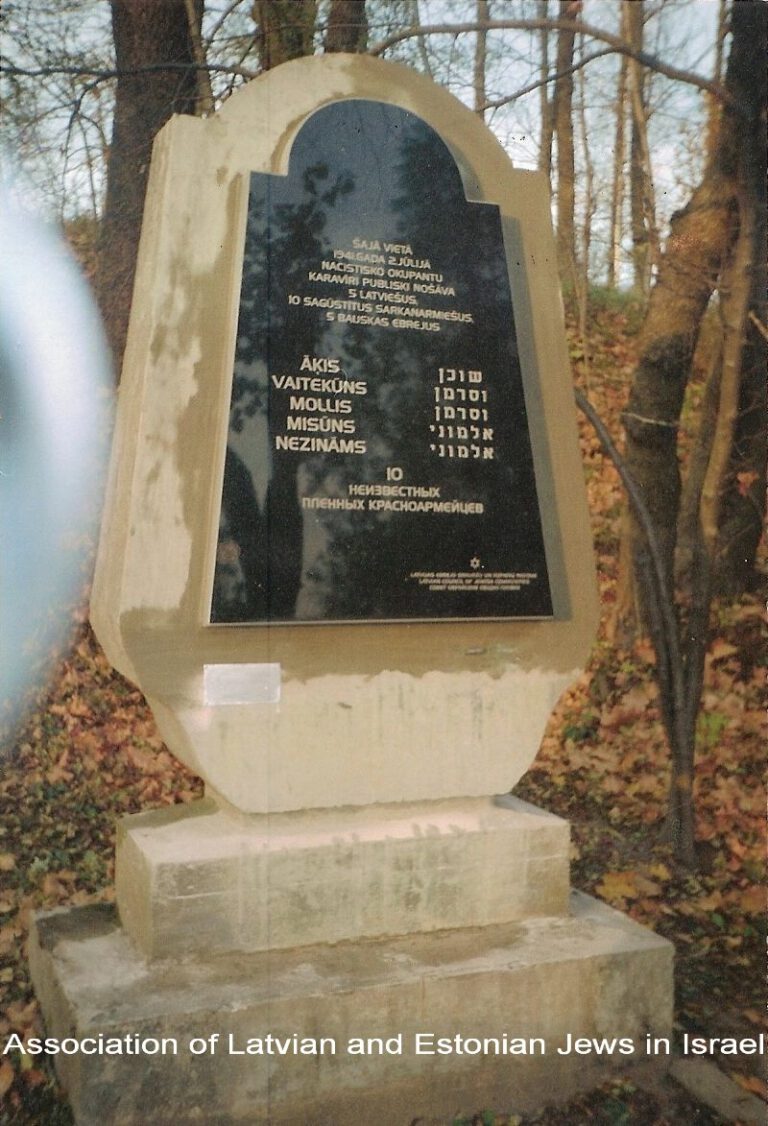
פעולות הרצח החלו זמן קצר לאחר מכן:
במקור מודפס מצוין כי לאחר המלחמה הוקמה מצבת זיכרון לזכר הקורבנות (C16-11f). הערה בכתב יד על גבי מסמך ארכיוני מציינת כי המידע לקוח מתוך ארכיון ה-AJDC ועוסק בלטביה בין השנים 1920–1923 (C16-11f).
C16-1f
C16-2f
C16-6f
C16-7f
C16-8-1f
C16-8-2f
C16-8-3f
C16-8-4f
C16-8-5f
C16-8-6f
C16-8-7f
C16-8-8f
C16-8-9f
C16-9f
C16-10f
C16-11f
C16-12f
-C16-3f
-C16-4f
C-16-5f
These sources review theHistory of the Jewish community in the city of Osaka, from their first settlement in the 17th century to its complete destruction in the Holocaust. The texts presentDemographic and economic dataare detailed, emphasizing the growth of the Jewish population and its centrality in local trade and craft life. Alongside this, the documents describeA rich spiritual worldIncluding synagogues, charitable and educational institutions, and prominent rabbis such as Rabbi Kook who worked in the city. The sources also document theThe political and national strugglesof the community, including extensive Zionist activity and various youth movements. The last chapters are devoted to describingThe Nazi occupation and mass murderof the Jews of the city and surrounding area in 1941. In summary, the collection constitutesComprehensive historical documentation which combines archival documents, statistical data, and reviews of religious and social life in this community.
Based on the attached sources, the following is a comprehensive and detailed historical overview of the history of the Jewish community inIn Osaka(Bauska; and in Jewish sources:BoisskIt should be noted that although you requested an overview of Estonian Jewry, the sources deal exclusively with the community.In OsakaLocated in the ropeZamgla(formerly Courland) in the southLatvia(-C16-4f, C16-11f).
The cityIn OsakaFounded in the mid-15th century byThe Livonian Orderas a fortress against invasions from Lithuania (-C16-4f, C16-11f). In 1511 the settlement received city rights (-C16-4f). Between 1561–1795 the city was under the protection ofPolandAs part ofDuchy of Courland, and in 1796 it was annexed toRussia(-C16-4f).
Jewish presence inIn OsakaIt began as early as the 17th century, when Jews arrived from the nearby area inLithuania(-C16-4f, C16-1f). However, a Jewish settlement inCourlandLegally permitted only at the end of the 18th century (C-16-5f). Initially, Jewish residence was restricted to the suburbsSloboda(Sloboda) across the river, and to enter the city itself they required special permission (-C16-4f, C16-1f). In this suburb the Jews establishedsynagogueandcemetery, and foundedSherva KadishaIn 1780 (C-16-5f, -C16-4f).
There is a contradiction in the sources regarding the date of the organization of the community: one source states that the community began to organize from its institutions in 1820 (C-16-5f, -C16-4f), while a note in another text states that the community was founded in the mid-19th century (C16-11f).
The Jewish community inIn OsakaHas experienced significant demographic fluctuations over the years:
Economically, the city's Jews were engaged in trade, especially inLinen trade(-C16-4f). Others made a living as craftsmen (peddlers, carters), workshop owners and liberal professions such as doctors and dentists (-C16-4f, C16-1f). In 1921, aJewish Cooperative BankWith the assistance of the organizationJoint(-C16-4f, C16-1f).
In OsakaConsidered one of the three holy communities inLatviaAnd it produced many Torah scholars from within it (-C16-4f). Among the prominent figures who served in it:
Community institutions included theThe Great Seminary,The Great Synagogue, a house of prayer for the Hasidim, a Lithuanian minyan, andBeit MidrashIn the suburbsSloboda(-C16-4f, C16-1f). Also, community registers were maintained by "A legendary company"And"Psalm Society"written in Yiddish and Hebrew (-C16-4f).
Initially, the children studied in twoRooms, inTalmud Torahand in general studies at a Russian school (-C16-4f). In 1920 a Jewish elementary school was opened (where the languages of instruction were Yiddish and Hebrew) andHebrew kindergarten(-C16-4f).
The city's welfare and charity institutions were numerous and varied, including:Acts of kindness,Visiting the sick,Linat Tzedek,Great charity, andDressing naked(-C16-4f, C16-1f).
Zionist activity in the city was extensive:
In 1915, during World War I, the Russian authorities deported the Jews ofCourlanddeep into Russia without a valid reason (-C16-4f, C16-1f). After the war, about 600 Jews returned to the place and renewed community life (-C16-4f). In 1919, with the return of theBolsheviks, the city's Jews were ordered to perform forced labor by Latvian soldiers (-C16-4f). During the 1920s, anti-Semitic articles began to appear in the local press (-C16-4f).
Information coming from an official document (a "shekel" bill of the Zionist Organization) indicates ongoing Zionist activity, as seen in a bill from 1930 in the name of Mrs. Hannah, daughter of Shmuel Boisak (C16-10f).
After an agreementRibbentrop-Molotovand annexationLatviaIn the summer of 1940, Jewish businesses were nationalized and community institutions were dissolved (-C16-4f). Ten Jewish families (property owners) were sent to concentration camps (-C16-4f).
With the outbreak of war between Germany and the Soviet Union (June 22, 1941), Jews tried to escape with the retreating Soviet forces. About 40 young people were murdered on the border, and only about ten managed to escape and join theRed Army(Most of them were killed in battle) (-C16-4f). German units captured the city on June 26, 1941 (-C16-4f).
The murderous acts began shortly thereafter:
The printed original states that a memorial was erected after the war to commemorate the victims (C16-11f). A handwritten note on an archival document states that the information is taken from the AJDC archives and deals with Latvia between the years 1920–1923 (C16-11f).
C16-1f
C16-2f
C16-6f
C16-7f
C16-8-1f
C16-8-2f
C16-8-3f
C16-8-4f
C16-8-5f
C16-8-6f
C16-8-7f
C16-8-8f
C16-8-9f
C16-9f
C16-10f
C16-11f
C16-12f
-C16-3f
-C16-4f
C-16-5f