מקורות אלו מתעדים את ההיסטוריה של העיירה דובלה שבלטביה, תוך התמקדות מיוחדת בחיי הקהילה היהודית המקומית וגורלה. המסמכים סוקרים את התפתחות היישוב מימי הביניים, דרך תקופות שלטון משתנות ועד למפקדי אוכלוסין המציגים את הצמיחה הדמוגרפית והכלכלית של העיר. פרק מרכזי מוקדש לתקופת השואה, ובו פירוט על הכיבוש הגרמני, השמדת כמעט כל יהודי המקום בשנת 1941 ושחרור האזור על ידי הצבא האדום. בין היתר, מובאות עדויות מרגשות על חסידי אומות עולם שסיכנו את חייהם כדי להציל ניצולים בודדים במסתור. לסיכום, הארכיון משלב נתונים סטטיסטיים יבשים עם זיכרון היסטורי כואב של קהילה שחרבה.
על פי המקורות המצורפים, להלן סקירה היסטורית מפורטת על תולדות הקהילה היהודית בדובלה (Dobele; בגרמנית: Doblen; במקורות יהודיים: Dablen), הממוקמת במחוז ילגבה (Jelgava), חבל זמגלה (Zemgale), בדרום-מערב לטביה (C28-4f). (יצוין כי המקורות מתמקדים בקהילה בלטביה ולא באסטוניה כפי שהוזכר בשאילתה).
העיר דובלה נוסדה במאה ה-14 על ידי המסדר הליבוני (Livonian Order), מסדר של אבירים נוצרים מגרמניה (C28-4f). העיר הייתה בעבר חלק מנסיכות קורלנד (Kurland) ועברה לחסות פולין, ובשנת 1783 סופחה לרוסיה (C28-1f). בין השנים 1920–1940 הייתה העיר חלק מלטביה העצמאית (C28-1f, C28-4f).
הקהילה היהודית התארגנה במקום במחצית השנייה של המאה ה-19 (C28-4f). המוסדות שהוקמו כללו בית עלמין, חברה קדישא, בית מדרש ומקווה טהרה (C28-1f, C28-4f). משנת 1904 היה קיים בעיר בית כנסת ובראשו עמד רב (C28-1f, C28-4f). השוחט של העיר הסמוכה, ילגבה, נהג להגיע לדובלה פעמיים בשבוע (C28-1f, C28-4f).
במקורות מוזכרים מספר רבנים שכיהנו בעיר: הרב חיים וולפרט, הרב אהרון גליקמן (שכיהן בשנות התשעים של המאה ה-19) והרב יקותיאל זלמן הלוי, שכיהן בתקופת מלחמת העולם הראשונה (C28-3f).
נתוני האוכלוסייה היהודית לאורך השנים מציגים תנודות משמעותיות:
יהודי העיר נטלו חלק פעיל באירועי מהפכת 1905 (C28-1f). מנהיגם היה המורה א.ב. פלדמן, אשר נבחר על ידי תומכיו לכהונת ראש העיר (C28-1f, C28-4f). לאחר דיכוי המהפכה על ידי משלחת עונשין של הקיסר (הצאר), הוצא פלדמן להורג (C28-1f, C28-4f).
בשנת 1915, במהלך מלחמת העולם הראשונה, גורשו יהודי העיר לפנים רוסיה יחד עם שאר יהודי קורלנד (C28-1f, C28-4f).
בין שתי מלחמות העולם התחזקה האידאולוגיה הציונית בקהילה (C28-1f). בתחילה תמכו רוב יהודי המקום בתנועה הרוויזיוניסטית, אך בשנות ה-30 עברו מרביתם לתמוך בציונים הסוציאליסטים (C28-1f, C28-4f). לפני מלחמת העולם השנייה עלו מספר חלוצים מהעיר לארץ ישראל (C28-1f, C28-4f).
בעקבות הסכם ריבנטרופ-מולוטוב, נכנס הצבא האדום ללטביה והשליט בה משטר סובייטי בקיץ 1940 (C28-1f, C28-4f). ביוני 1941, ימים ספורים לאחר פרוץ המלחמה בין גרמניה לברית המועצות, כבש הצבא הגרמני את המקום (C28-1f). כל היהודים ששהו בעיר בזמן הכיבוש נרצחו במהלך הקיץ והסתיו של שנת 1941 (C28-1f, C28-4f).
במסמך המוצג כ"תעודה" (המבוסס על "אקט" בכתב יד), מופיעה עדות של ניצולים ששהו במשך שלוש שנים בבתי כלא ובמחנות ריכוז תחת הכיבוש הגרמני (C28-5f). הניצולים החתומים על המסמך הם: אפשטיין דוד איסקוביץ', ואגנהיים מקסים סולומונוביץ', נועם גרמן איסייביץ', דריזין איסאק עמנואלוביץ', דריזין זלמן עמנואלוביץ', איציקסון גריגורי ולדימירוביץ' ודריזין מיכאל יפימוביץ' (C28-5f).
המסמך מציין לשבח את פעולת ההצלה של יאנו ליפקה (Lipke Jano), אשר עזר להם להימלט ממחנות הריכוז הפשיסטיים בריגה וארגן עבורם מקום מסתור (C28-5f). הם הוסתרו בחווה בשם רשני (Resni) בדובלה, אצל האזרחית מריה קלר (Keller Maria), אשר סיכנה את עצמה ואת ילדיה כדי להסתירם ולספק להם מזון (C28-5f). פעולת ההצלה נעשתה בידיעתו ובתמיכתו של ראש המועצה (סטארשינה), ויליס ביננפלד (Binenfeld Vilis) (C28-5f). הניצולים הוסתרו עד לשחרור העיר על ידי הצבא האדום באוגוסט 1944 (C28-1f, C28-5f).
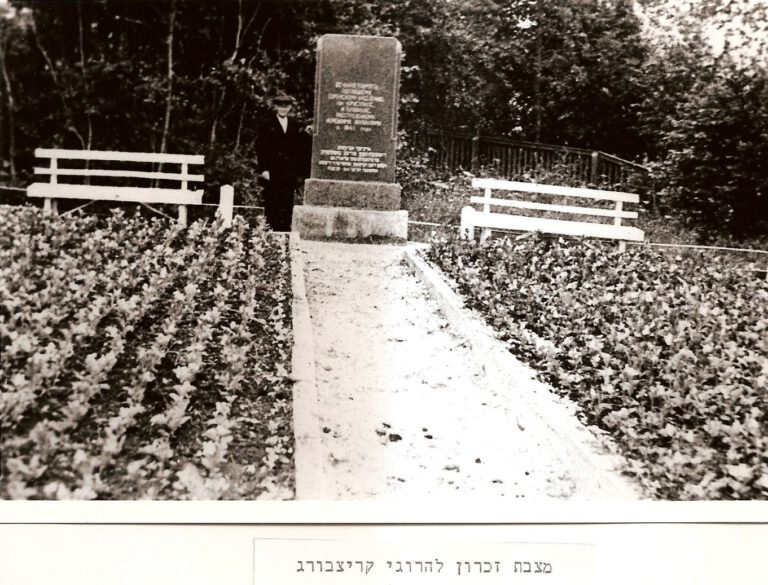
לזכר יהודי דובלה הוקמה מצבה בבית העלמין היהודי בריגה (C28-1f, C28-4f).
C28-1f
C28-2f
C28-3f
C28-4f
C28-5f
These sources document the history of the town.DoblaIn Latvia, with a special focus on my lifeThe Jewish communityThe locality and its fate. The documents review the development of the settlement from the Middle Ages, through changing periods of rule, to population censuses that present theDemographic growthand the city's economy. A central chapter is dedicated to the periodThe Holocaust, which details the German occupation, the extermination of almost all the local Jews in 1941, and the liberation of the area byThe Red ArmyAmong other things, moving testimonies are presented aboutRighteous Among the Nationswho risked their lives to save lone survivors in hiding. In conclusion, the archive combines dry statistical data withHistorical memoryThe pain of a destroyed community.
Based on the attached sources, the following is a detailed historical overview of the history of the Jewish community inDobla(Dobele; in German:Double; In Jewish sources:Dablen), located in the districtYalgaba(Jelgava), ropeZamgla(Zemgale), in the southwestLatvia(C28-4f). (It should be noted that the sources focus on the community in Latvia and not Estonia as mentioned in the query).
The cityDoblaFounded in the 14th century byThe Livonian Order(Livonian Order), an order of Christian knights from Germany (C28-4f). The city was formerly part of the principality ofCourland(Courland) and passed under the protection of Poland, and in 1783 it was annexed to Russia (C28-1f). Between 1920 and 1940 the city was part ofIndependent Latvia(C28-1f, C28-4f).
The Jewish community was organized there in the second half of the 19th century (C28-4f). The institutions established includedcemetery,Sherva Kadisha,Beit MidrashandPurification bath(C28-1f, C28-4f). From 1904 there was asynagogueAnd at its head stood a rabbi (C28-1f, C28-4f).slaughtererof the nearby city,Yalgaba, used to come toDoblaTwice a week (C28-1f, C28-4f).
The sources mention a number of rabbis who served in the city: RabbiChaim Wolpert, the RabbiAaron Glickman(who served in the 1890s) and the RabbiYekutiel Zalman Halevi, who served during World War I (C28-3f).
Jewish population data over the years shows significant fluctuations:
The city's Jews took an active part in the eventsRevolution of 1905(C28-1f). Their leader was the teacherA.B. Feldman, who was elected mayor by his supporters (C28-1f, C28-4f). After the suppression of the revolution by a punitive expedition of the emperor (tsar), he was expelledFeldmanTo be executed (C28-1f, C28-4f).
In 1915, during World War I, the city's Jews were deported to the Russian interior along with other Jews.Courland(C28-1f, C28-4f).
Between the two world wars, Zionist ideology grew stronger in the community (C28-1f). Initially, the majority of local Jews supportedThe Revisionist Movement, but in the 1930s most of them switched to supportingSocialist Zionists(C28-1f, C28-4f). Before World War II, a number ofPioneersFrom the city to the Land of Israel (C28-1f, C28-4f).
FollowingRibbentrop-Molotov Pact, the Red Army entered Latvia and established a Soviet regime in the summer of 1940 (C28-1f, C28-4f). In June 1941, a few days after the outbreak of war between Germany and the Soviet Union, the German army occupied the place (C28-1f). All the Jews who were in the city at the time of the occupation were murdered during the summer and autumn of 1941 (C28-1f, C28-4f).
The document presented as a "certificate" (based on a handwritten "act") contains testimony from survivors who spent three years in prisons and concentration camps under German occupation (C28-5f). The survivors who signed the document are:Epstein David Iskovitch,Wagenheim Maxim Solomonovich,Noam German Isaievich,Drizin Isaac Emanuelovich,Drizin Zalman Emanuelovich,Itzikson Grigory VladimirovichandDrizin Michael Yefimovich(C28-5f).
The document praises the rescue operation ofJano Lipka(Lipke Jano), who helped them escape from the fascist concentration camps in Riga and arranged a hiding place for them (C28-5f). They were hidden on a farm calledRashni(Resni) inDobla, at the citizen'sMaria Keller(Keller Maria), who risked herself and her children to hide them and provide them with food (C28-5f). The rescue operation was carried out with the knowledge and support of the head of the council (Starshyna),Willis Binnenfeld(Binenfeld Vilis) (C28-5f). The survivors were hidden until the city was liberated by the Red Army in August 1944 (C28-1f, C28-5f).
In memory of a JewDoblaA tombstone was erected in the Jewish cemetery inRiga(C28-1f, C28-4f).
C28-1f
C28-2f
C28-3f
C28-4f
C28-5f