מקורות אלו מתעדים את ההיסטוריה העשירה והטרגית של הקהילה היהודית בעיירה דאגדה שבלטביה, תוך שילוב בין מחקר גנאלוגי לזכרונות אישיים. האוסף כולל רשימות של מצבות עתיקות בבית העלמין המקומי, חליפת מכתבים בנוגע לשימור ותיעוד אתרים יהודיים, וסקירות היסטוריות על חיי הדת והחברה בעיירה לפני השואה. בולט במיוחד חיבורו האישי של ישראל חנין, המתאר בפירוט את הווי החיים היהודי, המאבק להישרדות והשפעת התהפוכות הפוליטיות על משפחתו. בנוסף, המקורות מנציחים את זכר הקורבנות שנרצחו במהלך הכיבוש הנאצי ומציינים את המאמצים להקמת אנדרטאות לזכרם באזור. יחד, המסמכים משמשים כעדות חיה לקהילה שחרבה, החל משורשיה במאה ה-17 ועד לשימור מורשתה בידי הניצולים וצאצאיהם.
חשוב לציין כי על פי המקורות המצורפים, הסקירה להלן מתמקדת בתולדות הקהילה היהודית בעיירה דאגדה (Dagda) הנמצאת בלטביה (ולא באסטוניה כפי שצוין בשאילתה), במחוז דאוגבפילס (Daugavpils) שבחבל לאטגלה (C27-1f, C27-4f).
ראשית הקהילה ודמוגרפיה העיירה דאגדה הוקמה בסוף המאה ה-17 בשטח שהיה שייך לאציל פולני (C27-4f). הקהילה היהודית החלה להתפתח במקום, ובשנת 1847 נמנו בה 77 תושבים יהודים (C27-1f, C27-4f). במהלך המאה ה-19 חל גידול משמעותי באוכלוסייה: בשנת 1897 הגיע מספר היהודים ל-1,026 נפש, שהיוו 68% מכלל אוכלוסיית העיירה (C27-3f, C27-4f). לאחר מכן חלה ירידה הדרגתית במספרם: בשנת 1920 נמנו 727 יהודים, בשנת 1930 נמנו 668, ובשנת 1935 חיו בעיירה 589 יהודים מתוך אוכלוסייה כוללת של 1,104 נפש (C27-1f, C27-3f, C27-4f).
כלכלה ומסחר בתחילה, רוב היהודים התפרנסו ממסחר, רוכלות ומלאכה (C27-4f). בעיירה הוקמו מפעלי עיבוד כגון בורסקאות וסדנה לעיבוד צמר (C27-4f). עם הקמתה של לטביה העצמאית בשנת 1920, נפגעו הסוחרים היהודים עקב הפסקת תנועת התוצרת החקלאית מברית המועצות (C27-4f). סקר משנת 1935 העלה כי 95% מהעסקים בעיירה היו בבעלות יהודית (C27-3f, C27-4f). רשימות מפורטות במקורות מציינות שמות של בעלי עסקים יהודים כגון אברם באוכמן (Abrama Bauchmana) ורוכס שמושקינס (Rochas Smuskins) בתחום המכולת, וסורס ארונס (Soras Arons) בגלנטריה (C27-2f). בשנת 1933 פרצה שריפה גדולה בעיירה שכילתה עסקים ובתים של יהודים רבים, מה שהוביל לעוני כבד ולצורך בסיוע של ארגון ה-"Joint" (C27-1f, C27-4f).
חיי דת ורוח הקהילה הייתה דתית-מסורתית ברובה (C27-4f). בעיירה נבנו שלושה בתי כנסת: אחד של מתנגדים ושניים של חסידים (C27-1f, C27-4f). המוסדות הקהילתיים כללו את ה**"חברה קדישא", "ביקור חולים" ו"הכנסת כלה"** (C27-1f, C27-4f).
חינוך, תרבות ופעילות ציונית בשנת 1920 הוקם בית ספר עברי בעיירה (C27-1f). בתחילה שפת ההוראה הייתה רוסית, אך בשנת 1934 היא הוחלפה לעברית (C27-1f). בקהילה פעל חוג דרמה פעיל והיה מנוי לעיתון העברי "המליץ" (C27-4f). הפעילות הציבורית-פוליטית הייתה ענפה:
עדות אישית על חיי היומיום בזיכרונותיו של ישראל הני חנין (Israel Hany Chanen), יליד דאגדה (1902), מתוארת העיירה כבעלת רחובות לא סלולים שהפכו לבוץ בעונת הגשמים (C27-5f). הבתים היו מחוממים באמצעות תנורי לבנים ועצי הסקה, והתאורה נעשתה באמצעות מנורות נפט (C27-5f). המים הובאו מהנהר על ידי שואבי מים מקצועיים (C27-5f). בשוק העיירה נמכרו סחורות כגון בשר, דגים טריים ובגדים שנתפרו על ידי חייטים מקומיים (C27-5f).
תקופת השואה בעקבות הסכם ריבנטרופ-מולוטוב, נכנס הצבא האדום ללטביה בקיץ 1940 (C27-1f, C27-4f). חיי הקהילה והפעילות הציונית הופסקו, ועסקים יהודיים הולאמו (C27-1f, C27-4f). עם פלישת הגרמנים ביוני 1941, הצליחו כ-60 יהודים לברוח לעומק ברית המועצות, חלקם הצטרפו לצבא האדום (C27-1f, C27-4f). בתחילת יולי 1941 נכבשה דאגדה (C27-1f, C27-4f). הגרמנים, בסיוע מקומיים, החלו במעשי רצח וטרור (C27-4f). כ-10 יהודים נורו ליד האגם המקומי (C27-4f). בסוף יולי 1941, שארית הקהילה נשלחה לגטו דאוגבפילס (Daugavpils), כאשר חלקם נורו בדרך על ידי מלוויהם (C27-1f, C27-4f). היהודים שנשארו נרצחו ביער פוגוליאנקה (Pogulianka) (C27-1f, C27-4f). המקורות כוללים רשימות מפורטות ברוסית של הנרצחים, ביניהם משפחות שלמות כגון ליטיה (Lidja), רוזנברג (Rozenberg) וזקס (Zaks) (C27-15f).
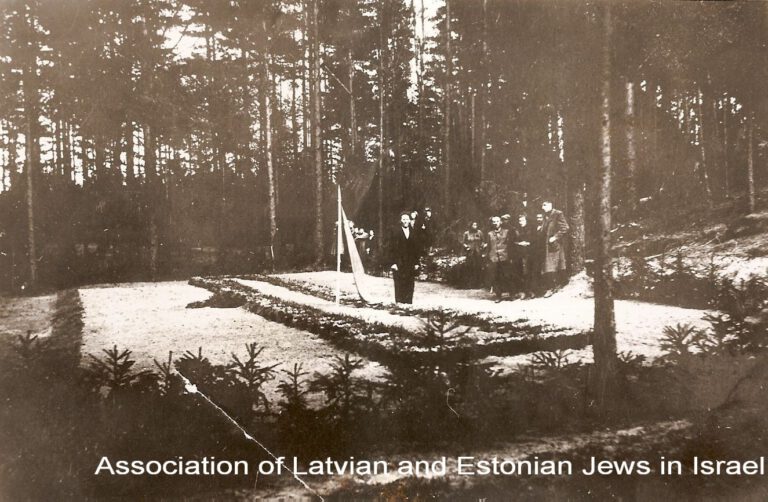
לאחר המלחמה ביולי 1944 שוחררה העיירה על ידי הצבא האדום (C27-1f, C27-4f). הניצולים שחזרו למקום הקימו אנדרטה לזכר יהודי דאגדה שנרצחו (C27-1f, C27-4f). לאחר המלחמה חיו בעיירה רק משפחות יהודיות בודדות (C27-1f, C27-4f). המקורות כוללים רשימות של כיתובים ממצבות בבית העלמין בדאגדה, שפוענחו על ידי אלכסנדר פייגמניס (Aleksandrs Feigmanis), המעידות על שמות הנפטרים ותאריכי פטירתם, כגון שרה דרויאן ויהושע יהוקים בן אלכסנדר סודר (C27-17f, C27-18f).
C27-1f
C27-2f
C27-3f
C27-4f
C27-5f
C27-6f
C27-7f
C27-8f
C27-9f
C27-10f
C27-11f
C27-12f
C22-13f
C27-14f
C27-16f
C27-17f
C27-18f
C27-19f
These sources document theThe rich and tragic historyof the Jewish community in the townDagdain Latvia, combining genealogical research with personal memories. The collection includesLists of tombstonesAntiquities in the local cemetery, correspondence regarding the preservation and documentation of Jewish sites, and historical reviews ofReligious and social lifeIn the town before the Holocaust. Particularly notable is the personal connection ofIsrael Hanin, which describes in detail the Jewish way of life, the struggle for survival, and the impact of political upheavals on his family. In addition, the sources commemorate theRemembering the victimswho were murdered during the Nazi occupation and note the efforts to establish memorials in their memory in the area. Together, the documents serve as living testimony to a devastated community, from its roots in the 17th century toTo preserve its heritageIn the hands of the survivors and their descendants.
It is important to note that according to the attached sources, the review below focuses on the history of the Jewish community in the town.Dagda(Dagda) located inLatvia(and not in Estonia as indicated in the query), in the provinceDaugavpils(Daugavpils) in the regionLatgale(C27-1f, C27-4f).
The beginning of the community and demographicsThe townDagdaEstablished at the end of the 17th century on land that belonged to a Polish nobleman (C27-4f). The Jewish community began to develop there, and in1847We were among them.77Jewish residents (C27-1f, C27-4f). During the 19th century there was a significant increase in the population: in1897The number of Jews reached1,026soul, which constituted68%of the total population of the town (C27-3f, C27-4f). After that, their number gradually decreased: in1920We were counted.727Jews, in1930We were counted.668, and in1935Lived in a town589Jews out of a total population of 1,104 (C27-1f, C27-3f, C27-4f).
Economy and tradeInitially, most Jews made their living fromtrade,peddlingandcraft(C27-4f). Processing plants such asTanneriesand a processing workshopwool(C27-4f). With the establishment ofIndependent LatviaIn 1920, Jewish merchants were harmed by the cessation of the movement of agricultural produce from the Soviet Union (C27-4f). Survey from 19201935Raised that95%of the businesses in the town were Jewish-owned (C27-3f, C27-4f). Detailed lists in the sources mention names of Jewish business owners such asAbram Bauchman(Abram Bauchman) andZipper Shmushkins(Rochas Smuskins) in the grocery sector, andAaron's Source(Soras Arons) in Galantria (C27-2f). In1933A large fire broke out in the town, destroying many Jewish businesses and homes, leading to severe poverty and the need for assistance from the Jewish Relief Organization."Joint"(C27-1f, C27-4f).
Religious and spiritual lifeThe community was largely religious-traditional (C27-4f). In the town,Three synagogues: one ofOpponentsand two ofHasidim(C27-1f, C27-4f). The communal institutions included the **"Hevra Kadisha""Visit the sick" and"Bride Introduction"** (C27-1f, C27-4f).
Education, culture and Zionist activityIn the year1920A Hebrew school was established in the town (C27-1f). Initially the language of instruction was Russian, but in1934She was replaced byHebrew(C27-1f). The community had an active drama club and subscribed to the Hebrew newspaper."Recommended"(C27-4f). Public-political activity was extensive:
Personal testimony about everyday lifeIn the memoirs ofIsrael Hanni Hanin(Israel Hany Chanen), born in Dagda (1902), describes the town as having unpaved streets that turned to mud during the rainy season (C27-5f). The houses were heated by brick stoves and firewood, and lighting was provided byKerosene lamps(C27-5f). The water was brought from the river byWater vacuum cleanersProfessionals (C27-5f). The town market sold goods such as meat, fresh fish, and clothing made by local tailors (C27-5f).
Holocaust periodFollowingRibbentrop-Molotov PactThe Red Army entered Latvia in the summer of1940(C27-1f, C27-4f). Community life and Zionist activity were halted, and Jewish businesses were nationalized (C27-1f, C27-4f). With the German invasion in June1941, about 60 Jews managed to escape deep into the Soviet Union, some of whom joined the Red Army (C27-1f, C27-4f). In early July 1941, Dagda was occupied (C27-1f, C27-4f). The Germans, with the help of locals, began acts of murder and terror (C27-4f). About 10 Jews were shot near the local lake (C27-4f). At the end of July 1941, the rest of the community was sent toDaugavpils Ghetto(Daugavpils), some of whom were shot on the way by their companions (C27-1f, C27-4f). The remaining Jews were murdered inPogolianka Forest(Pogulianka) (C27-1f, C27-4f). The sources include detailed lists in Russian of the murdered, including entire families such asLitiya(Lidja),Rosenberg(Rozenberg) andSachs(Zaks) (C27-15f).
After the warIn July1944The town was liberated by the Red Army (C27-1f, C27-4f). The survivors who returned to the site establishedmonumentIn memory of the murdered Jews of Dagda (C27-1f, C27-4f). After the war, only a few Jewish families lived in the town (C27-1f, C27-4f). The sources include lists of inscriptions from tombstones in the Dagda cemetery, deciphered byAlexander Paigemanis(Aleksandrs Feigmanis), indicating the names of the deceased and their dates of death, such asSarah DroyanandYehoshua Yehokim son of Alexander Soder(C27-17f, C27-18f).
C27-1f
C27-2f
C27-3f
C27-4f
C27-5f
C27-6f
C27-7f
C27-8f
C27-9f
C27-10f
C27-11f
C27-12f
C22-13f
C27-14f
C27-16f
C27-17f
C27-18f
C27-19f