Daugavpils File (3) / תיק קהילה

Daugavpils File (3) / תיק קהילה

עברית
English

📜 דאוגבפילס: פניה המשתנים של עיר בלטביה

מקורות אלו מתעדים את ההיסטוריה העשירה והמורכבת של העיר דאוגבפילס (דווינסק), תוך התמקדות מיוחדת בקהילה היהודית המקומית. האוסף כולל סקירות היסטוריות בעברית ובלטבית המפרטות את צמיחת העיר, מוסדותיה והחורבן שהמיטה עליה השואה. רשימות משלוחים ויומנים משנות ה-40 מעידים על פעילות סיוע ושיגור חבילות לניצולים ופליטים באזורי ברית המועצות לשעבר. בנוסף, מוצגים מסמכים משפטיים המאמתים את מקור הרישומים וכן מפות עירוניות מפורטות המציגות את פריסת הרחובות ומבני הציבור. המקורות אף מציינים את שמותיה השונים של העיר בשפות רבות, דבר המשקף את זהותה הרב-תרבותית לאורך הדורות. יחד, החומרים מהווים ארכיון תיעודי רב-ערך המשלב בין מידע גיאוגרפי, דמוגרפי ועדויות אישיות מתקופות מכריעות.

המקורות שהוגשו מתמקדים בתולדות הקהילה היהודית בעיר דאוגאוופילס (Daugavpils), המוכרת במקורות היהודיים וההיסטוריים כדווינסק (Dvinsk), הנמצאת בלטביה (C33-1f, C33-15f, C33-25f).

רקע היסטורי וגאוגרפי

העיר נוסדה בשנת 1275 על ידי מסדר האבירים הליבוני כמבצר על גדות נהר הדאוגווה (Daugava), המוכר גם בשם דווינה (Dvina) (C33-1f, C33-25f, C33-156). לאורך תולדותיה נודעה העיר בשמות שונים: דינאבורג (Dinaburg) בפי הגרמנים, דווינסק בפי הרוסים, ובוריסוגלבסק (Borisoglebsk) לתקופה קצרה במאה ה-17 (C33-1f, C33-20f, C33-156). העיר עברה ידיים רבות בין השלטון הפולני-ליטאי, הרוסי (החל מ-1772) והלטבי העצמאי (1920–1940) (C33-1f, C33-25f).

צמיחת הקהילה היהודית ודמוגרפיה

יהודים החלו להתיישב בעיר במאה ה-17, אך הקהילה התארגנה רשמית לאחר הסיפוח לרוסיה (C33-25f). בשנת 1772 נמנו בעיר 176 יהודים בלבד (C33-3f, C33-25f). הגידול המשמעותי החל בשנת 1835 עם הכללת העיר בתחום המושב, ובשנת 1897 כבר היו בה 32,369 יהודים, שהיוו כ-46.5% מכלל האוכלוסייה (C33-3f, C33-25f). ערב מלחמת העולם הראשונה, בשנת 1913, הגיעה הקהילה לשיא גודלה עם 55,680 נפש (C33-1f, C33-15f). לאחר המלחמה ובתקופת העצמאות הלטבית הצטמצמה האוכלוסייה לכ-11,000 נפש בשנות ה-30 (C33-3f, C33-25f, C33-75).

חיי רוח, הנהגה וחינוך

דווינסק נודעה כאחד המרכזים התורניים החשובים ביותר ביהדות אירופה. בעיר פעלו שני ענקי תורה בו-זמנית:

  • רבי מאיר שמחה הכהן: כיהן כרב קהילת המתנגדים ("קהל שער") במשך 39 שנים ונודע בחיבוריו "אור שמח" ו"משך חכמה" (C33-1f, C33-25f).
  • רבי יוסף רוזין: הידוע כ**"הרוגצ'ובי"** (The Rogatchover), רב הקהילה החסידית ומחבר "צפנת פענח" (C33-1f, C33-25f).

בעיר היו כ-40 בתי כנסת, ביניהם "הכוראל-שול" (Choir Shul) הגדול שנבנה ב-1865, וישיבות רבות (C33-1f, C33-25f). מערכת החינוך הייתה מגוונת וכללה תלמודי תורה, בתי ספר של "אגודת ישראל" (בהם שפת ההוראה הייתה יידיש) ובתי ספר עבריים ומקצועיים של רשת "אורט" (C33-1f, C33-25f, C33-62).

פעילות פוליטית וחברתית

דווינסק הייתה מוקד תוסס של תנועות פועלים ותנועות ציוניות.

  • תנועת ה"בונד": הייתה פעילה מאוד בקרב הפועלים והקימה יחידות להגנה עצמית שהגנו על הקהילה בזמן הפרעות של שנת 1905 (C33-5f, C33-25f, C33-143).
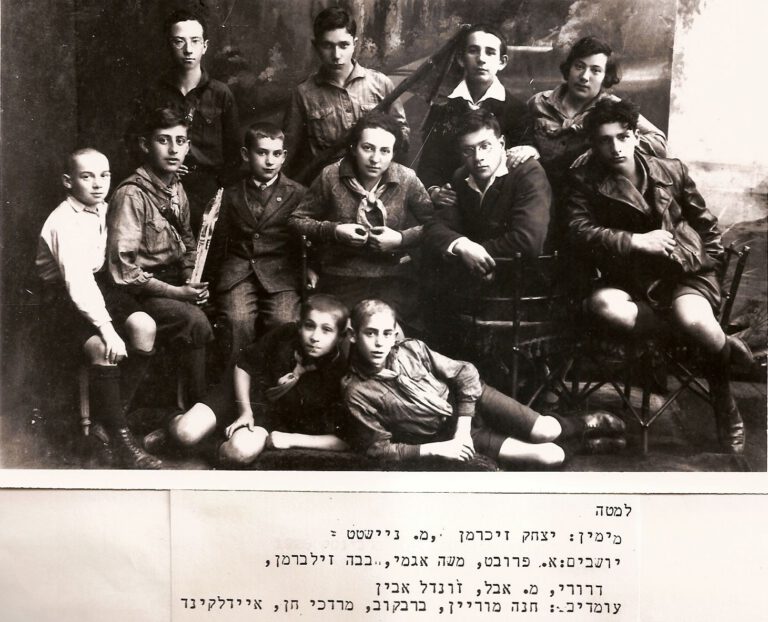
  • ציונות: בעיר פעלו סניפים של "פועלי ציון", "החלוץ", "השומר הצעיר" ו**"בית"ר"** (C33-1f, C33-63).
  • מוסדות צדקה: הקהילה החזיקה מוסדות רווחה רבים, בהם בית חולים יהודי (נוסד ב-1865), בית יתומים, מושב זקנים ומוסד "לינת צדק" (C33-8f, C33-25f).

תקופת השואה

חורבן הקהילה החל עם הכיבוש הגרמני ב-26 ביוני 1941 (C33-1f, C33-52).

  • הקמת הגטו: ב-26 ביולי 1941 הוקם גטו במבצר שבצד השני של הנהר, אליו נדחסו כ-15,000 יהודים (C33-52, C33-64).
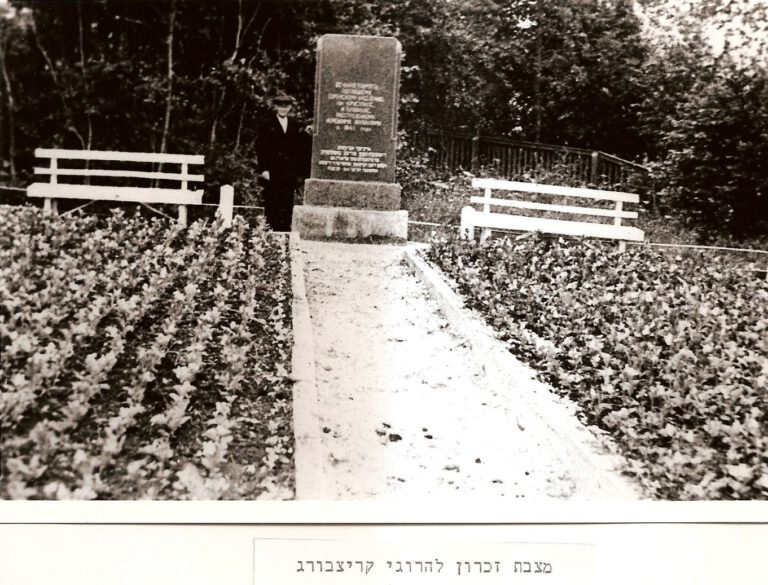
  • מעשי הטבח: רוב יהודי העיר נרצחו בבורות ירי ביער פוגוליאנקה (Pogulianka) הסמוך (C33-1f, C33-52). מקורות גרמניים מציינים כי בראשית אוגוסט 1941 נרצחו 10,162 יהודים (C33-52).
  • החיסול הסופי: הגטו חוסל סופית ב-17 במאי 1942 (C33-52, C33-64). רק כ-20 יהודים שרדו את המלחמה בתוך העיר (C33-52).

לאחר המלחמה

לאחר המלחמה התארגנה קהילה קטנה של כ-2,000 נפש שכללה ניצולים ושבים מרוסיה (C33-52). בשנת 1972 נסגר בית העלמין היהודי בהוראת השלטונות, ונותר בעיר רק בית כנסת אחד פעיל (C33-52, C33-53).


רשימת מונחים

  • תחום המושב (Pale of Settlement): האזור ברוסיה הקיסרית בו הותר ליהודים להתיישב (C33-25f).
  • הרוגצ'ובי (The Rogatchover): כינויו של הרב יוסף רוזין, על שם עיר הולדתו רוגצ'וב (C33-1f).
  • ה"בונד" (The Bund): תנועת פועלים יהודית סוציאליסטית (C33-1f).
  • פוגוליאנקה (Pogulianka): היער הסמוך לעיר שהפך לאתר הרצח ההמוני של יהודי הקהילה (C33-1f).
  • מתנגדים (Mitnagdim): זרם ביהדות שהתנגד לתנועת החסידות (C33-1f).

רשימת מקורות

  • C33-1f: סקירה היסטורית מקיפה בעברית על תולדות העיר דווינסק והקהילה היהודית.
  • C33-2f: עמוד שער ופרקים מספר סטטיסטי לטבי משנת 1936 העוסק בתיאורי ערים.
  • C33-3f: נתונים סטטיסטיים, דמוגרפיה וציר זמן היסטורי מפורט של העיר דווינסק בעברית.
  • C33-4f: סקירה באנגלית על תולדות דאוגאוופילס מטעם מוזיאון בית התפוצות משנת 1990.
  • C33-5f: מאמר בעברית וביידיש על תנועות הפועלים היהודיות וההגנה העצמית בדווינסק ב-1905.
  • C33-6f: ערך באנציקלופדיה לטבית משנות ה-50 הסוקר את ההיסטוריה והתפתחות העיר.
  • C33-7f: צילום הערך Daugavpils מתוך האנציקלופדיה יודאיקה בשפה האנגלית.
  • C33-8f: ערך בלטבית על העיר דאוגאוופילס מתוך אנציקלופדיה של לטביה הסובייטית משנת 1967.
  • C33-9f: קטעים מספר ברוסית משנת 1975 המתארים את ראשית ימי המבצר ותולדות העיר.
  • C33-10f: צילום ערך אנציקלופדי על דווינסק וביוגרפיה של השחקן היהודי בוגומיל דוויסון.
  • C33-11f: סקירה היסטורית באנגלית הכוללת נתונים גאוגרפיים, כלכליים ודמוגרפיים על דווינסק.
  • C33-12f: זיכרונות אישיים בשפת היידיש על שנות הילדות והנעורים בעיר דווינסק.
  • C33-13f: דו"ח רפואי-סניטרי ברוסית משנת 1914 על מצב הבריאות והמוסדות בקהילה היהודית.
  • C33-14f: מחקר סטטיסטי ברוסית על עוני, צדקה ומוסדות סיוע יהודיים בדווינסק ובסביבתה.
  • C33-15f: סיכום היסטורי מפורט על העיר דווינסק הכתוב בכתב יד בעברית על דפי פוליו.
  • C33-16f: רשימות משלוחי חבילות סיוע מאיגוד דווינסק בקייפטאון לניצולים בלטביה (1948-1950).
  • C33-17f: תיאור גאוגרפי והיסטורי מפורט בשפה הלטבית של חבל לאטגלה והעיר דאוגאוופילס.
  • C33-18f: צילום כרזה על קורסי ערב לעברית, יידיש, היסטוריה וחשבונאות במועדון ע"ש ביאליק.
  • C33-19f: צילום מפה רשמית ומפורטת של העיר דאוגאוופילס הכוללת אינדקס רחובות בלטבית.
  • C33-20f: צילום רשימת שמותיה ההיסטוריים של העיר דאוגאוופילס בשפות שונות מתוך ויקיפדיה.
  • C33-21f: צילום ערך באנגלית על דאוגאוופילס מתוך האנציקלופדיה היהודית האוניברסלית.
  • C33-22f: צילום מפה גרמנית (Stadtplan) של העיר דינאבורג משנת 1940 הכוללת מקרא מוסדות.
  • C33-24f: צילום כרוז המזמין להרצאה בדווינסק בנושא ארץ ישראל ותנועת החלוץ משנת 1920.
  • C33-25f: סקירה היסטורית מודפסת באנגלית על הקהילה היהודית בדווינסק וחורבנה בשואה.

C33-1f

C33-2f

C33-3f

C33-4f

C33-5f

C33-6f

C33-7f

C33-8f

C33-9f

C33-10f

C33-11f

C33-12f

C33-13f

C33-14f

C33-15f

C33-16f

C33-17f

C33-18f

C33-19f

C33-20f

C33-21f

C33-22f

C33-24f

C33-25f

**End of Sources Section**
**Return to Communities Table**

📜Daugavpils: The changing face of a city in Latvia

These sources document the city's rich and complex historyDaugavpils(Dvinsk), with a special focus on the local Jewish community. The collection includesHistorical reviewsIn Hebrew and Latvian, detailing the growth of the city, its institutions, and the devastation inflicted by the Holocaust.Shipping listsAnd diaries from the 1940s testify to aid activities and the sending of packages to survivors and refugees in the regions of the former Soviet Union. In addition, exhibitsLegal documentswho verify the origin of the records andCity mapsDetailed maps showing the layout of the streets and public buildings. The sources also mention theIts various namesThe city's history is written in many languages, reflecting its multicultural identity throughout the ages. Together, the materials constituteDocumentary archiveA valuable resource that combines geographical, demographic information and personal testimonies from crucial periods.

The sources submitted focus on the history of the Jewish community in the city.Daugavpils(Daugavpils), known in Jewish and historical sources asDvinsk(Dvinsk), located inLatvia(C33-1f, C33-15f, C33-25f).

Historical and geographical background

The city was founded in1275by the Livonian Order of Knights as a fortress on the banks of the RiverDaugava(Daugava), also known asDavina(Dvina) (C33-1f, C33-25f, C33-156). Throughout its history the city has been known by various names:Dinaburg(Dinaburg) According to the Germans,DvinskAccording to the Russians, andBorisoglebsk(Borisoglebsk) for a short period in the 17th century (C33-1f, C33-20f, C33-156). The city passed through many hands between Polish-Lithuanian, Russian (from 1772) and independent Latvian rule (1920–1940) (C33-1f, C33-25f).

Jewish Community Growth and Demographics

Jews began to settle in the city in the 17th century, but the community was officially organized after the annexation to Russia (C33-25f). In 1772, the city had176 Jewsonly (C33-3f, C33-25f). The significant growth began in 1835 with the inclusion of the city inThe seat area, and in 1897 there were already32,369 Jews, who constituted about 46.5% of the total population (C33-3f, C33-25f). On the eve of World War I, in 1913, the community reached its peak size with55,680 people(C33-1f, C33-15f). After the war and during the period of Latvian independence, the population decreased to about 11,000 people in the 1930s (C33-3f, C33-25f, C33-75).

Spiritual life, leadership and education

Dvinsk was known as one of the most important Torah centers in European Jewry. Two Torah giants operated in the city at the same time:

  • Rabbi Meir Simcha HaCohen:He served as rabbi of the community of the dissenters ("Kahel Shaar") for 39 years and was known for his writings."Happy Light"and "duration of wisdom" (C33-1f, C33-25f).
  • Rabbi Yosef Rosin:Known as **The Rogatchover**, rabbi of the Hasidic community and author of "The Code of Decipherment" (C33-1f, C33-25f).

There were about 40 synagogues in the city, including"The Choral-Shoul"The large Choir Shul (built in 1865), and numerous yeshivots (C33-1f, C33-25f). The educational system was diverse and included Talmud Torah studies, schools of"Agudat Israel"(where the language of instruction was Yiddish) and Hebrew and vocational schools of the"ORT"(C33-1f, C33-25f, C33-62).

Political and social activity

Dvinsk was a vibrant center of labor and Zionist movements.

  • The "Bund" movement:She was very active among the workers and established self-defense units that protected the community during the disturbances of 1905 (C33-5f, C33-25f, C33-143).
  • Zionism:Branches of the company operated in the city."Poalei Zion","The Pioneer","The Young Guard"and **"Beitar"** (C33-1f, C33-63).
  • Charitable institutions:The community maintained many welfare institutions, including a Jewish hospital (founded in 1865), an orphanage, a retirement home, and an institution."Linat Tzedek"(C33-8f, C33-25f).

Holocaust period

The destruction of the community began with the German occupation on June 26, 1941 (C33-1f, C33-52).

  • The establishment of the ghetto:On July 26, 1941, a ghetto was established in the fortress on the other side of the river, into which about 15,000 Jews were crammed (C33-52, C33-64).
  • The massacres:Most of the city's Jews were murdered in firing pits inPogolianka Forest(Pogulianka) nearby (C33-1f, C33-52). German sources indicate that in early August 1941, 10,162 Jews were murdered (C33-52).
  • The final elimination:The ghetto was finally liquidated on May 17, 1942 (C33-52, C33-64). Only about 20 Jews survived the war within the city (C33-52).

After the war

After the war, a small community of about 2,000 people was organized, including survivors and returnees from Russia (C33-52). In 1972, the Jewish cemetery was closed by order of the authorities, and only one active synagogue remained in the city (C33-52, C33-53).


List of terms

  • Pale of Settlement:The area in Imperial Russia where Jews were allowed to settle (C33-25f).
  • The Rogatchover:The nickname of Rabbi Yosef Rozin, after his hometown of Rogczow (C33-1f).
  • The Bund:Jewish Socialist Workers' Movement (C33-1f).
  • Pogulianka:The forest near the city that became the site of the mass murder of the Jewish community (C33-1f).
  • Opponents (Mitnagdim):A sect in Judaism that opposed the Hasidic movement (C33-1f).

List of sources

  • C33-1f: A comprehensive historical overview in Hebrew of the history of the city of Dvinsk and the Jewish community.
  • C33-2f: Title page and chapters of a Latvian statistical book from 1936 dealing with descriptions of cities.
  • C33-3f: Statistics, demographics and a detailed historical timeline of the city of Dvinsk in Hebrew.
  • C33-4f: An English review of the history of Daugavpils by the Beit Hatfutsot Museum from 1990.
  • C33-5f: An article in Hebrew and Yiddish about the Jewish labor movements and self-defense in Dvinsk in 1905.
  • C33-6f: An entry in a Latvian encyclopedia from the 1950s that reviews the history and development of the city.
  • C33-7f: Photocopy of the entry Daugavpils from the Encyclopedia Judaica in English.
  • C33-8f: An entry in Latvian about the city of Daugavpils from the 1967 Soviet Latvian Encyclopedia.
  • C33-9f: Excerpts from a Russian novel from 1975 describing the early days of the fortress and the history of the city.
  • C33-10f: Photo of an encyclopedic entry on Dvinsk and a biography of the Jewish actor Bogomil Davison.
  • C33-11f: A historical overview in English that includes geographical, economic, and demographic data on Dvinsk.
  • C33-12f: Personal memories in Yiddish about childhood and youth in the city of Dvinsk.
  • C33-13f: A medical-sanitary report in Russian from 1914 on the state of health and institutions in the Jewish community.
  • C33-14f: Statistical study in Russian on poverty, charity, and Jewish aid institutions in and around Dvinsk.
  • C33-15f: A detailed historical summary of the city of Dvinsk, handwritten in Hebrew on folio pages.
  • C33-16f: Lists of aid package shipments from the Dvinsk Association in Cape Town to survivors in Latvia (1948-1950).
  • C33-17f: A detailed geographical and historical description in Latvian of the Latgale region and the city of Daugavpils.
  • C33-18f: Photographing a poster for evening courses in Hebrew, Yiddish, history and accounting at the Bialik Club.
  • C33-19f: Photograph of an official and detailed map of the city of Daugavpils including a street index in Latvian.
  • C33-20f: Photo of the list of historical names of the city of Daugavpils in different languages ​​from Wikipedia.
  • C33-21f: Photocopy of an English entry on Daugavpils from the Universal Jewish Encyclopedia.
  • C33-22f: Photo of a German map (Stadtplan) of the city of Dinaburg from 1940, including a list of institutions.
  • C33-24f: Photograph of a poster inviting to a lecture in Dvinsk on the subject of the Land of Israel and the Hechalutz movement from 1920.
  • C33-25f: A historical review printed in English about the Jewish community in Dvinsk and its destruction in the Holocaust.

C33-1f

C33-2f

C33-3f

C33-4f

C33-5f

C33-6f

C33-7f

C33-8f

C33-9f

C33-10f

C33-11f

C33-12f

C33-13f

C33-14f

C33-15f

C33-16f

C33-17f

C33-18f

C33-19f

C33-20f

C33-21f

C33-22f

C33-24f

C33-25f
**End of Sources Section**
**Return to Communities Table**

הוסף תגובה

מאמרים קשורים