המקורות המוצגים כוללים תיעוד גנאלוגי והיסטורי ענף המתמקד בדמויות מפתח ובקהילות יהודיות במזרח אירופה, בדגש על העיר דווינסק. בין המסמכים ניתן למצוא אילן יוחסין של משפחת מיופיס וצילומים אישיים, לצד ביוגרפיות מפורטות של רבנים ומנהיגים רוחניים כגון הרב דוד בודיניק והרב ישראל אלתר ספרן-פוקס. המידע סוקר את פועלם התורני, תפקידיהם בהנהגת הקהילה והמאמצים לשימור כתבי יד עתיקים בתקופות של תהפוכות פוליטיות. בנוסף, נכללים מסמכים רשמיים כמו תעודת ציונים מבית ספר יהודי בלטביה וקטעי עיתונות על סופרים ואנשי רוח. חלק משמעותי מהטקסטים מוקדש לתיאור גורל הקהילה והנהגתה בשואה, תוך הנצחת זכרם של הנספים. סקירה זו מהווה פסיפס היסטורי המשלב בין קורות חיים פרטיים לבין המורשת הדתית והתרבותית של יהדות לטביה וליטא.
ממצאי הסקירה ההיסטורית, המבוססים על המקורות המצויים בארכיון איגוד יוצאי לטביה ואסטוניה בישראל, מתמקדים כמעט באופן בלעדי בתולדות הקהילה היהודית בלטביה, ובפרט בעיר דווינסק (Daugavpils). המקורות אינם מספקים מידע מפורט על תולדות יהדות אסטוניה כשלעצמה, למעט עובדת קיומו של האיגוד המשותף לשתי המדינות (C34-11f, C34-12f).
להלן סקירה מעמיקה של חיי הקהילה, אישיה וגורלה כפי שהם משתקפים במסמכים:
לפני מלחמת העולם השנייה, כל תושב רביעי בדווינסק היה יהודי (כ-11,000 איש), ובעיר פעלו 40 בתי כנסת (C34-11f). בין בתי הכנסת הבולטים היה בית הכנסת "קדיש" שנבנה בשנת 1850 ברחוב ציטוקשניא (Cietokšņa) 38, אשר לפי האגדה הוקם בכספי יהודי מאמין לזכר אחיו שנפטר (C34-11f). בשנים שלאחר השואה, החל מ-1946, פנתה קבוצת יהודים לרשויות בבקשה להקצות מקום לתפילה, ובשנת 1947 נפתח מחדש בית הכנסת "קדיש" תחת הנהגת א' שטיין (C34-11f). בשנות ה-50 וה-60 של המאה ה-20, הגיעו לתפילות בחגים למעלה מ-600 איש, והחיים הדתיים נוהלו על ידי דמויות כגון הרב ברוך גסילביץ' אליאשברג והגבאי מוישה פיטם (C34-11f).
הקהילה בדווינסק הייתה מרכז תורני והגותי משמעותי:
בדווינסק פעלו מוסדות חינוך יהודיים מגוונים:
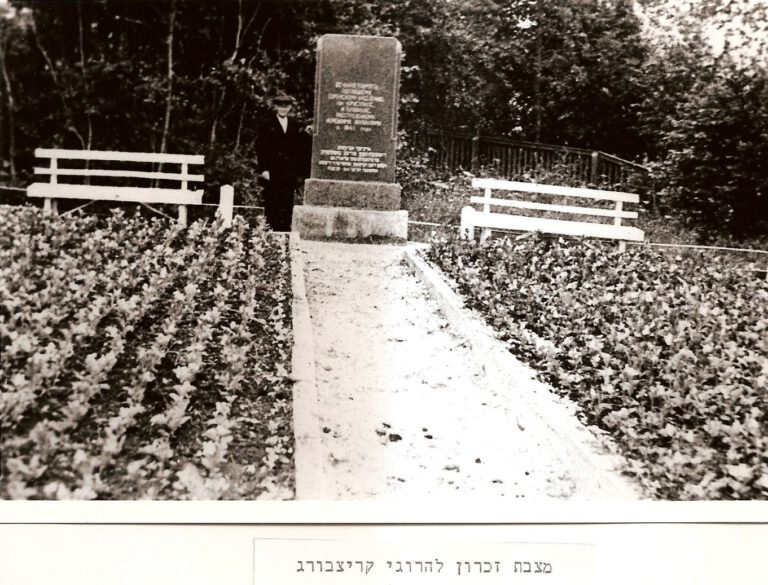
הכיבוש הנאצי החל בדווינסק ב-29 ביוני 1941 (C34-23f). תוך זמן קצר פורסם צו המחייב את כל היהודים להתייצב בכיכר השוק, משם הובלו חלקם למאסר בבתי הסוהר וחלקם נרצחו ביער סטרופי (Stropi) (C34-23f). ב-20 ביולי 1941 (המידע במקור מעורפל לגבי התאריך המדויק, מצוין "כעבור שלושה ימים" מצו קודם) הוקם הגטו במבצר הישן מעבר לנהר (C34-23f). ביוני 1942 חוסלה הקהילה כמעט לחלוטין ברציחות המוניות (C34-37f). בין הנרצחים מצוינים אנשי רוח, רבנים וסטודנטים רבים (C34-15f, C34-37f).
ב-11 באפריל 2006 נערך טקס חגיגי לפתיחתו המחודשת של בית הכנסת "קדיש" המשופץ, בנוכחות נשיאת לטביה (C34-11f). השיקום התאפשר הודות לתרומתה של משפחת האמן מרק רותקו (בתו קייט ובנו כריסטופר) וסיוע של ממשלת ארצות הברית (C34-11f, C34-15f). על לוח הזיכרון בבית הכנסת נכתב בארבע שפות כי המבנה שוקם לרגל יובל ה-100 להולדת מרק רותקו (C34-15f).
להלן הסברים למונחים המופיעים במקורות בשפות זרות או בשימוש קהילתי:
C34-1f
C34-10f
C34-11f
C34-12f
C34-13-1f
C34-13-1f
C34-13-1f
C34-13-1+2f
C34-13-1-03+04f
C34-13-2f
C34-13-3f
C34-14f
C34-15f
C34-16f
C34-17f
C34-18f
C34-2f
C34-3f
C34-4f
C34-5f
C34-6F
C34-7-1f
C34-7-2f
C34-7-3f
C34-8f
C34-9f
Sources on display includeGenealogical and historical documentationA branch that focuses on key figures and Jewish communities in Eastern Europe, with an emphasis on the city.DvinskAmong the documents you can find:family treeof the Miofis family and personal photographs, alongsideDetailed biographiesof rabbis and spiritual leaders such as Rabbi David Budinick and Rabbi Israel Alter Safran-Fox. The information reviews their Torah work, their roles in community leadership, and their efforts to preserve ancient manuscripts during periods of political upheaval. Additionally, included areOfficial documentsSuch as a report card from a Jewish school in Latvia and newspaper clippings about writers and intellectuals. A significant part of the texts is devoted to describingThe fate of the community and its leadership during the Holocaust, while commemorating the memory of those who perished. This review constitutesHistorical mosaic Combining private biographies with the religious and cultural heritage of Latvian and Lithuanian Jewry.
The findings of the historical review, based on the sources found in the archivesAssociation of Latvian and Estonian Immigrants in Israel, focusing almost exclusively on the history of the Jewish community inLatvia, and especially in the cityDvinsk(Daugavpils). The sources do not provide detailed information on the history of Estonian Jewry per se, except for the fact of the existence of the common union of the two states (C34-11f, C34-12f).
The following is an in-depth review of the life of the community, its individuals, and its fate as reflected in the documents:
Before World War II, every fourth resident inDvinskThere were Jews (about 11,000 people), and they operated in the city.40 synagogues(C34-11f). Among the most prominent synagogues was the Synagogue"Kaddish"Built in1850at 38 Cietokšņa Street, which, according to legend, was built with the money of a believing Jew in memory of his deceased brother (C34-11f). In the years after the Holocaust, starting in1946, a group of Jews appealed to the authorities to allocate a place for prayer, and in1947The synagogue reopened"Kaddish"Under the leadership ofA. Stein(C34-11f). In the 1950s and 1960s, over 600 people attended prayers on holidays, and religious life was led by figures such as the RabbiBaruch Gesilevich EliashbergAnd the collectorMoishe Pitam(C34-11f).
The community inDvinskIt was a significant Torah and Gothic center:
BDvinskVarious Jewish educational institutions operated:
The Nazi occupation began inDvinskInJune 29, 1941(C34-23f). Within a short time, an order was issued requiring all Jews to report to the market square, from where some were taken to prison and some were murdered inStrofi Forest(Stropia) (C34-23f). InJuly 20, 1941(The information in the source is vague regarding the exact date, it is stated "three days later" from a previous decree) TheghettoIn the old fort across the river (C34-23f). In June1942The community was almost completely wiped out in mass murders (C34-37f). Among the murdered are many intellectuals, rabbis, and students (C34-15f, C34-37f).
In-April 11, 2006A festive ceremony was held for the reopening of the synagogue"Kaddish"The restored one, in the presence of the President of Latvia (C34-11f). The restoration was made possible thanks to the donation of the artist's familyMark Rothko(his daughter Kate and son Christopher) and assistance from the United States government (C34-11f, C34-15f). The memorial plaque in the synagogue states in four languages that the building was restored on the occasion of the 100th anniversary of the birth ofMark Rothko(C34-15f).
Below are explanations of terms that appear in foreign language sources or in community usage:
C34-1f
C34-10f
C34-11f
C34-12f
C34-13-1f
C34-13-1f
C34-13-1f
C34-13-1+2f
C34-13-1-03+04f
C34-13-2f
C34-13-3f
C34-14f
C34-15f
C34-16f
C34-17f
C34-18f
C34-2f
C34-3f
C34-4f
C34-5f
C34-6F
C34-7-1f
C34-7-2f
C34-7-3f
C34-8f
C34-9f