מקורות אלו מתעדים את תולדות הקהילה היהודית בווארקלאני שבלאטביה, החל מהקמתה ועד לחורבנה האכזרי בשואה. האוסף כולל סקירות היסטוריות על מוסדות הדת והחינוך בעיירה, לצד רשימות שמיות מפורטות של קורבנות שנרצחו על ידי הגרמנים בשנת 1941. מסמכים נוספים חושפים התכתבויות אישיות, שאילתות גנאלוגיות ועדויות על חיי היומיום, הכלכלה והמאבקים הפוליטיים של התושבים. בין היתר, המקורות מתארים אירועים אנטישמיים ומתחים חברתיים שקדמו למלחמה, לצד פעילותן של תנועות נוער ציוניות. לסיכום, החומרים מהווים יד זיכרון לקהילה תוססת שחוסלה, תוך שימור שמותיהם וסיפוריהם של בני משפחת זליקוביץ' ומשפחות נוספות מהאזור.
היישוב וארקלאני (המוכר במקורות היהודיים כווארקליאן) מוזכר לראשונה בסוף המאה ה-16 (C42-14f). היישוב החל להתפתח באמצע המאה ה-19, בעיקר הודות לכביש הראשי שנסלל בסמוך לו (C42-1f). קהילה יהודית מאורגנת נוסדה במקום לאחר חלוקת פולין הראשונה בשנת 1772, עת סופח האזור לרוסיה (C42-14f, C42-29). המוסדות הראשונים שהוקמו היו חברה קדישא ובית עלמין, ובשנת 1847 כבר מנתה הקהילה 250 יהודים (C42-14f, C42-3). בסוף המאה ה-19 (שנת 1897), היו היהודים כ-75% מכלל תושבי המקום, עם 1,365 נפשות (C42-14f, C42-3). בטקסט מודפס בגרמנית וברוסית מצוין כי העיירה הייתה שייכת למחוז רז'יצה (Rezekne) בפלך ויטבסק (C42-11f, C42-17).
בקהילה פעלו שלושה בתי כנסת: "בית הכנסת הלבן" (Die weise shul) שהוקם על ידי החסידים, "בית המדרש הירוק" (Der greener beth hamidrash) של המתנגדים, ו**"בית המדרש הקטן"** (C42-14f, C42-29). בין הדמויות הרוחניות הבולטות בקהילה היה הרב אברהם דוב בר בן ר' משה גבאי, שנולד בעיירה בשנת תר"ד (C42-11f). רב נוסף המוזכר הוא הרב אהרון זליג ציוני, ובעקבותיו בנו הרב נפתלי ציוני שהגיע בשנת 1873 וכיהן כמעט יובל שנים (C42-21). הרב יעקב הכהן גרודסקי כיהן כרב הקהילה מתחילת שנות ה-20 ועד שנספה בשואה (C42-14f, C42-29). בתחום החינוך, הילדים למדו בתחילה בתלמוד תורה, ובתקופת עצמאות לטביה הוקמו גן ילדים ובית ספר עממי שבו שפת ההוראה הייתה יידיש, אם כי למדו בו גם עברית ותנ"ך (C42-14f, C42-24, C42-29). בקהילה פעלו גם ספרייה, חוג לדרמה ותזמורת חובבים (C42-14f).
מרבית יהודי העיירה במאה ה-19 עסקו במסחר בתוצרת חקלאית, ורבים היו בעלי מלאכה כגון חייטים וסנדלרים (C42-14f, C42-29). בבעלות היהודים היו בתים על חלקות אדמה קטנות אותן עיבדו לצורכי קיום (C42-14f). בשנת 1928, כ-90% מהעסקים בעיר היו בבעלות יהודית, אך בעקבות מדיניות ה**"לטביזציה"** של השלטונות, מספר זה הצטמצם בחצי עד שנת 1935 (C42-14f, C42-23, C42-29). בראשית המאה ה-20 פעלו בעיירה ארגוני עזרה הדדית כמו "ביקור חולים", קופת מלווה וחסכון, ומטבח ציבורי שהוקם בסוף המאה ה-19 לסיוע לנפגעי מגפת הכולירה (C42-14f, C42-22). בתיעוד הארכיוני מופיעה רשימה מפורטת של בעלי עסקים יהודים ברחובות ריגה, מז'ה וסקולאס, ביניהם: שלמה שביוב (Slova Saviovs) ודוד גוורטין (Davids Gavartins) (C42-19).
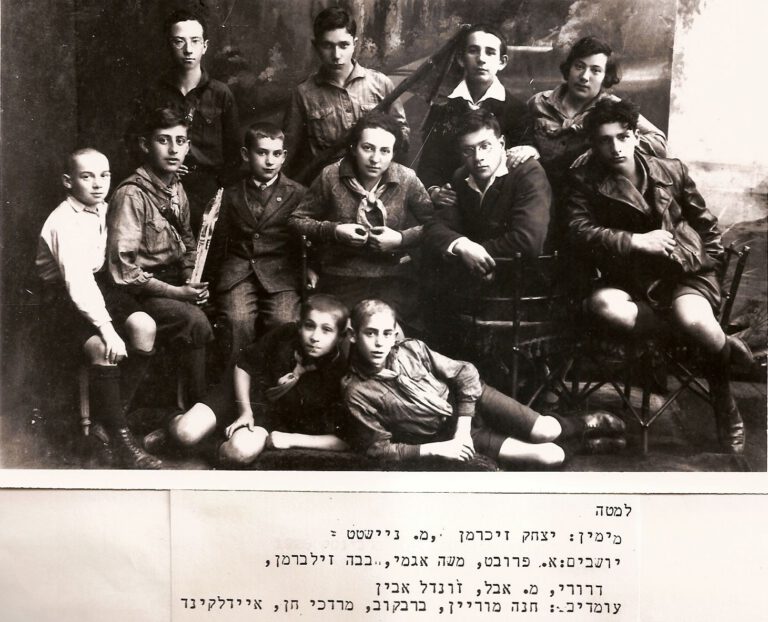
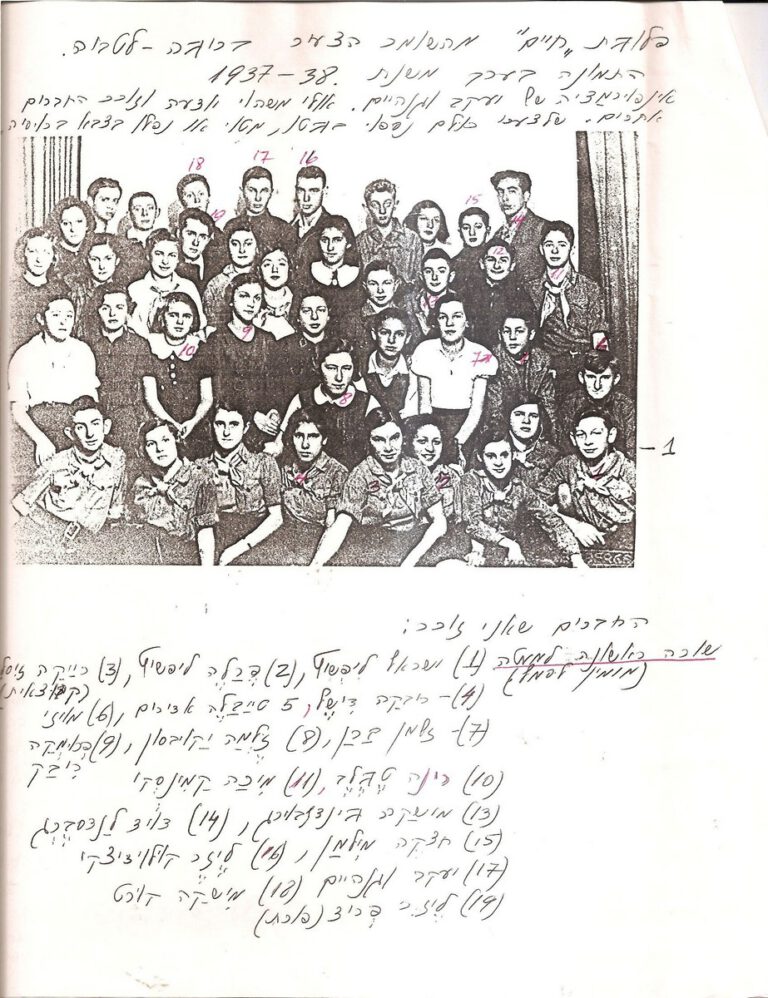
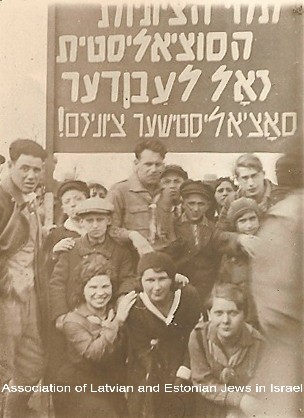
החיים הפוליטיים בקהילה היו תוססים וכללו סניפים של הבונד, אגודת ישראל, והמפלגות הציוניות: ציונים כלליים, ציונים סוציאליסטים ורויזיוניסטים (C42-14f, C42-30). כמו כן פעלו תנועות נוער כגון מכבי, גורדוניה, השומר הצעיר, בית"ר ובורוכוב (C42-14f, C42-24). היהודים היו רוב במועצת העיר, וישיבות המועצה התנהלו לעיתים ביידיש (C42-14f, C42-30). לפי מקור אחד שמצטט פונה בשם אריה באנד, לייזר זליקוביץ' (Leizer Zelikovich) כיהן כראש העיר (Mayor) של וארקלאני (C42-10f). עם זאת, מקור אחר מציין כי חנוך שוורץ (Hanoch Shwartz) כיהן כראש העיר, ואחריו לייזר גרודסקי (C42-25, C42-33). מקור שלישי מציין כי שני יהודים כיהנו כראשי עיר בזה אחר זה (C42-14f).
אירוע אנטישמי בולט התרחש באוגוסט 1925, כאשר קבוצת סטודנטים לטבים שהגיעו לעיירה התעמתה עם תושבים יהודים (C42-26, C42-42). הסטודנטים התנהגו באופן פרובוקטיבי, שרו שירים מעליבים והתעמתו עם היהודים ברחוב ובבית המרחץ (C42-42). בעקבות הקטטה שהתפתחה, נעצרו 22 יהודים (C42-26). המשפט נערך במאי 1926, ובסופו נגזרו על 13 מהנאשמים עונשי מאסר של 2 עד 8 חודשים (C42-26, C42-43). העיתונות הלטבית הציגה את האירוע כהתקפה יהודית על הלאום הלטבי (C42-26, C42-43).
עם פרוץ מלחמת העולם השנייה וחתימת הסכם ריבנטרופ-מולוטוב, נכנס הצבא האדום לווארקלאני בקיץ 1940 והשליט משטר סובייטי (C42-15f, C42-31). רכוש יהודי הולאם ומוסדות קהילתיים נסגרו (C42-15f). ביוני 1941, ימים ספורים לפני הפלישה הגרמנית, הגלו השלטונות הסובייטים מספר משפחות יהודיות לסיביריה (C42-15f, C42-31).
בסוף יוני 1941 נכבשה העיירה על ידי הצבא הגרמני (C42-15f, C42-31). מיד עם הכיבוש החלו מעשי רצח ביהודים בכיכר השוק ובמקומות נוספים על ידי לטבים מקומיים (C42-15f, C42-31). ב-1 ביולי 1941, ירו לטבים ביהודים בכיכר השוק (C42-31). היהודים רוכזו באזור מצומצם ששימש כגטו ברובע "העיר החדשה", ליד בית העלמין (C42-15f, C42-31).
ב-4 באוגוסט 1941 (י"א באב תש"א), הובלו 540 יהודי העיר לבורות שנחפרו מראש ליד בית העלמין היהודי, שם נורו למוות (C42-15f, C42-27, C42-31). בין הנרצחים המתועדים ברשימות הארכיון: ארון פריד (Frid Aron) בן 85, מקס שראווה (Shrave Max) בן 53, וילדים קטנים כגון חיה וגרגורי בני 7 ימים בלבד (C42-13f, C42-10).
שני יהודים שהצליחו להימלט מהגטו טבעו בביצות במהלך מנוסתם (C42-31). ארבעה צעירים יהודים שהתנצרו ונישאו לנשים לטביות נרצחו גם הם על ידי השלטונות המקומיים (C42-15f, C42-31). לפני נסיגתם, הורו הגרמנים לאיכרי הסביבה לשרוף את גופות הנרצחים כדי לטשטש את עקבות הפשע (C42-15f, C42-27, C42-31). העיירה שוחררה על ידי הצבא האדום ב-2 באוגוסט 1944 (C42-15f, C42-28).
These sources document the History of the Jewish community in Varkalani in Latvia, from its founding to its brutal destruction in the Holocaust. The collection includes Historical reviews On the religious and educational institutions in the town, alongside Name lists Detailed accounts of victims murdered by the Germans in 1941. Additional documents reveal Personal correspondence, genealogical queries, and testimonies about the daily life, economy, and political struggles of the residents. Among other things, the sources describe Antisemitic events and social tensions that preceded the war, alongside the activities of Zionist youth movements. In conclusion, the materials constitute Hand of Memory To a vibrant community that was wiped out, while preserving the names and stories of the Zelikovich family and other families from the area.
The settlement Varkalani (known in Jewish sources asVarkalyan) is first mentioned at the end of the 16th century (C42-14f). The settlement began to develop in the mid-19th century, mainly thanks to the main road that was paved nearby (C42-1f). An organized Jewish community was founded in the place after the first partition of Poland in 1772, when the region was annexed to Russia (C42-14f, C42-29). The first institutions established were Shevra Kadisha and a cemetery, and by 1847 the community already numbered 250 Jews (C42-14f, C42-3). At the end of the 19th century (1897), Jews constituted about 75% of the total population, with 1,365 people (C42-14f, C42-3). A text printed in German and Russian indicates that the town belonged to the district Režica (Rezekne) in the region Vitebsk (C42-11f, C42-17).
Three synagogues operated in the community: "The White Synagogue" (Die weise shul) founded by the Hasidim, "The Green Seminary" (Der greener beth hamidrash) of the opponents, and **"The Little Beit Midrash"** (C42-14f, C42-29). Among the prominent spiritual figures in the community was Rabbi Avraham Dov Bar Son of Rabbi Moshe Gabbay, who was born in the town in 1744 (C42-11f). Another rabbi mentioned is Rabbi Aharon Zelig Zionist, and following him, we built Rabbi Naftali Zionist who arrived in 1873 and served for almost a jubilee of years (C42-21). Rabbi Yaakov HaCohen Grodsky He served as the community's rabbi from the early 1920s until he perished in the Holocaust (C42-14f, C42-29). In the field of education, the children initially studied inTalmud TorahDuring the period of Latvian independence, a kindergarten and a primary school were established where the language of instruction was Latvian. Yiddish, although Hebrew and the Bible were also studied there (C42-14f, C42-24, C42-29). The community also had a library, a drama club, and an amateur orchestra (C42-14f).
Most of the town's Jews in the 19th century were engaged in the trade of agricultural produce, and many were craftsmen such as tailors and shoemakers (C42-14f, C42-29). The Jews owned houses on small plots of land which they cultivated for subsistence purposes (C42-14f). In 1928, about 90% of the town's businesses were Jewish-owned, but following the authorities' **"Latvizization"** policy, this number was reduced by half by 1935 (C42-14f, C42-23, C42-29). In the early 20th century, mutual aid organizations such as "Visit to the sick", a loan and savings bank, and a public kitchen established in the late 19th century to aid victims of the cholera epidemic (C42-14f, C42-22). The archival documentation includes a detailed list of Jewish business owners in Rehovot Riga, Mege andSkolas, including: Shlomo Shabyov (Slovak Slavs) andDavid Guertin (Davids Gavartins) (C42-19).
Political life in the community was vibrant and included branches of The Bund, Agudat Israel, and the Zionist parties: General scores, Socialist Zionists andRevisionists (C42-14f, C42-30). Youth movements such as Maccabi, Gordonia, The Young Guard, Beitar andBorochov (C42-14f, C42-24). Jews were a majority in the city council, and council meetings were sometimes conducted in Yiddish (C42-14f, C42-30). According to one source citing a Punisher named Aryeh Band, Laser Zelikovich (Leizer Zelikovich) served as Mayor of Varkalani (C42-10f). However, another source states that Hanoch Schwartz (Hanoch Shwartz) served as mayor, followed by Laser Grodsky (C42-25, C42-33). A third source states that two Jews served as mayors one after the other (C42-14f).
A notable anti-Semitic incident occurred in August 1925, when a group of Latvian students who had arrived in the town clashed with Jewish residents (C42-26, C42-42). The students behaved provocatively, sang insulting songs, and confronted the Jews on the street and in the bathhouse (C42-42). Following the brawl that ensued, 22 Jews were arrested (C42-26). The trial was held in May 1926, and 13 of the defendants were sentenced to prison terms of 2 to 8 months (C42-26, C42-43). The Latvian press presented the incident as a Jewish attack on the Latvian nation (C42-26, C42-43).
With the outbreak of World War II and the signing of Ribbentrop-Molotov Pact, the Red Army entered Varkalani in the summer of 1940 and established a Soviet regime (C42-15f, C42-31). Jewish property was nationalized and communal institutions were closed (C42-15f). In June 1941, a few days before the German invasion, the Soviet authorities deported several Jewish families to Siberia (C42-15f, C42-31).
At the end of June 1941, the town was occupied by the German army (C42-15f, C42-31). Immediately after the occupation, murders of Jews in the market square and elsewhere by local Latvians began (C42-15f, C42-31). On July 1, 1941, Latvians shot Jews in the market square (C42-31). The Jews were concentrated in a small area that served as a ghetto in the "New City" district, near the cemetery (C42-15f, C42-31).
InAugust 4, 1941 (11th of Av 5701), led 540 Jews of the city To pre-dug pits near the Jewish cemetery, where they were shot to death (C42-15f, C42-27, C42-31). Among the murdered people documented in the archive lists: Aron Fried (Frid Aron) 85 years old, Max Sharawa (Shrave Max) 53 years old, and small children such as animal andGregory Only 7 days old (C42-13f, C42-10).
Two Jews who managed to escape the ghetto drowned in the swamps during their escape (C42-31). Four young Jews who converted to Christianity and married Latvian women were also murdered by the local authorities (C42-15f, C42-31). Before their retreat, the Germans ordered the surrounding peasants to burn the bodies of the murdered in order to cover up the crime (C42-15f, C42-27, C42-31). The town was liberated by the Red Army on August 2, 1944 (C42-15f, C42-28).