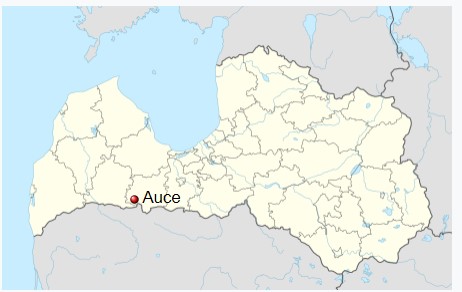
מקורות אלו מתעדים את ההיסטוריה והחורבן של הקהילה היהודית בעיירה הלטבית אאוצה (Auce). הטקסטים סוקרים את חיי הקהילה משלהי המאה ה-19, דרך פריחתה הכלכלית והקמת מוסדות דת וחינוך, ועד למפקד האוכלוסין של שנת 1935. חלק ניכר מהחומר מתמקד באירועי השואה בשנת 1941, תוך פירוט הרדיפות, החרמת הרכוש והטבח שבוצע ביהודים על ידי כוחות גרמניים ומשתפי פעולה מקומיים. המחקרים ההיסטוריים ועדויות הניצולים שופכים אור על זהות הרוצחים ועל נסיבות הרצח ההמוני ביער הסמוך. לבסוף, המקורות מתארים את הנצחת הקורבנות באמצעות הקמת לוח זיכרון באתר הרצח עשרות שנים לאחר מכן.
על פי המקורות המצורפים, להלן סקירה היסטורית מקיפה על קהילת אאוטצה (Auce; ביידיש: אויץ או אאיצה; בגרמנית: Autz), השוכנת באזור זמגלה (Zemgale), מחוז ילגבה (Jelgava) שבלטביה (C1-1f, C1-12f, C1-3f). יודגש כי המקורות עוסקים בקהילה בלטביה ולא באסטוניה (C1-12f).
העיירה נוסדה בשנת 1890 בסמוך לאחוזה שנקראה אלטאוץ (Altauz) (C1-1f, C1-12f). יהודים ראשונים הגיעו למקום עם ייסודו מליטא השכנה ומאזורים שונים בקורלנד (C1-11f, C1-12f). בתחילה שכרה הקהילה בניין לתפילה והעסיקה שוחט (C1-12f). בשנת 1893 הוזמן לעיירה הרב אברהם אבא מקליאקאל, שכיהן כרב, דיין ומורה צדק (C1-11f, C1-12f). מבחינה רשמית הייתה הקהילה כפופה לקהילת טוקום (Tukums) (C1-3f, C1-12f).
בשנת 1898 נוסדה חברה קדישא, ובשנה שלאחר מכן, 1899, נבנה באישור השלטונות בית מדרש (C1-3f, C1-12f). בשנת 1901 נבנו בית מרחץ ומקווה טהרה (C1-1f, C1-12f). בשנת 1905 הופרדה הקהילה מקהילת טוקום והורשתה למנות רב משלה (C1-12f). באותה שנה, בעקבות אירועי מהפכת 1905, נהרסו בתי יהודים רבים ורבים עזבו את העיירה (C1-1f, C1-12f).
בין האישים הבולטים בקהילה היה הרב וההיסטוריון לוי אוביצ'ינסקי (Levi Ovchinski), שחיבר ספרים על תולדות יהודי קורלנד (C1-1f, C1-12f). תמונתו מופיעה במקור כשהיא מתוארכת לתקופה שלפני מלחמת העולם הראשונה (C1-5f).
במהלך מלחמת העולם הראשונה, בשנת 1915, גורשו יהודי קורלנד, ובכללם יהודי אאוטצה, לעומק רוסיה, כיוון שנחשבו לאזרחים בלתי מהימנים (C1-1f, C1-12f).
לאחר המלחמה חזרו מרבית היהודים לעיירה (C1-11f, C1-12f). בסיוע ארגון ה**"ג'וינט"** חודשו חיי הקהילה, נבנה בית כנסת והוקם בית מרחץ חדש במקום זה שנהרס (C1-1f, C1-12f).
דמוגרפיה: על פי נתוני מפקדי האוכלוסין (C1-3f):
כלכלה וחברה: מרבית היהודים התפרנסו ממסחר, בעיקר בחומרי בניין, טקסטיל וסדקית (C1-12f, C1-1f). בין העסקים הבולטים בשנת 1935 היו חנות הרהיטים של ל. אברמוביץ' (L. Abramovics) וחנויות המכולת של יצחק פיינר (Izaks Fainers) ושלמה רזומני (Sloma Razumnijs) (C1-14f). בעיירה פעלו שני רופאים יהודים: מ. שלימאנס (M. Salimans) והוזיאס רזניקס (Hozias Rezniks), ורופאת שיניים אחת בשם פאולינה באלודיס (Paulīne Balodis) (C1-13f).
אחד ממפעלי התעשייה החשובים היה בבעלות יענקל קליין, שהחזיק במטוות צמר, טחנת קמח ומשרפה ללבנים (C1-11f). הגנרטור שהותקן באחד מפעליו סיפק חשמל לכל העיירה (C1-11f, C1-12f). בשנת 1929 הקימה הקהילה קופת מלווה וחיסכון (C1-12f).
חינוך ותרבות: בתחילה למדו הילדים ב**"חדר", אך בתקופת עצמאות לטביה הם למדו בבתי ספר יסודיים ממלכתיים בשפה הגרמנית או הלטבית (C1-1f, C1-12f). בקהילה הייתה פעילות ציונית ענפה במסגרת תנועת הנוער "הרצליה", ובוצעו תרומות לקרן קיימת לישראל** (C1-11f, C1-12f). כ-15 מחברי הקהילה עלו לארץ ישראל לאחר הכשרה חקלאית (C1-1f, C1-12f).
בשנת 1923 תועדו אירועים אנטישמיים בעיירה, ובשנת 1934, עם עליית הדיקטטורה בלטביה, החלו לאומנים לטבים לפעול נגד היהודים (C1-12f).
עם חתימת הסכם ריבנטרופ-מולוטוב ב-1939 וכניסת הצבא האדום ללטביה בקיץ 1940, הולאמו עסקים יהודיים ומוסדות הקהילה חוסלו (C1-12f). ב-14 ביוני 1941 גורשו חלק מהיהודים (C1-7f).
הכיבוש הגרמני והרצח: הצבא הגרמני כבש את העיירה בסוף יוני 1941 (C1-1f). מיד לאחר הכיבוש הוקמו יחידות "הגנה עצמית" מקומיות (Aizsargi) בהנהגת דמויות כגון אדגרס קראסטס (Edgars Krasts) ו-א. צאונה (E. Caune) (C1-7f). ב-5 וב-6 ביולי 1941 החל רישום של רכוש יהודי, והיהודים הצטוו לענוד טלאי צהוב ולהצטופף במקומות ריכוז זמניים כמו אסמים או מבנה בית הספר הישן (C1-7f).
ב-11 ביולי 1941 נרצחו יהודי אאוטצה (C1-7f, C1-10f). לפי מקור אחד, כ-100 יהודים הובלו ליער פוטנו (Putnu), שם נאלצו לחפור בור ונורו למוות על ידי כוחות מקומיים בהשגחת הגרמנים (C1-10f, C1-14f, C1-7f). מקור אחר מציין כי מספר הנרצחים היה 99 או 103 (C1-7f). בין הנרצחים היה הרופא המוערך ד"ר מיכאל שלימאנס, אשתו ובתו בת ה-14, שנרצחו ביער סמוך לאחר שניסו להסתתר (C1-7f).
מידע מכתבי יד והערות:
בשנת 2003 נחנך לוח זיכרון באתר הרצח ביער פוטנו, כחלק מפרויקט The Baltic Mass Graves Project (C1-10f, C1-14f). בטקס השתתפו שר האינטגרציה הלטבי נילס מויז'ניקס (Nils Muiznieks), לורד ג'נר (Lord Janner) וסול בוקינגולטס (Sol Bukingolts) (C1-10f).
C1-1f
C-1-6f
C-1-8f
C1-2f
C1-3f
C1-4f
C1-5f
C1-7f
C1-9f
C1-10f
C1-11f
C1-12f
C1-13f
C1-14f
These sources document the history and destruction of the Jewish community in the Latvian town.Oce(Auce). The texts review theCommunity lifeFrom the late 19th century, through its economic boom and the establishment of religious and educational institutions, to the 1935 census. A significant portion of the material focuses onIn the events of the HolocaustIn 1941, detailing the persecution, confiscation of property, and massacre of Jews by German forces and local collaborators. Historical research and survivor testimonies shed light onThe identity of the killersand the circumstances of the mass murder in the nearby forest. Finally, the sources describe theCommemorating the victimsBy erecting a memorial plaque at the site of the murder decades later.
Based on the attached sources, the following is a comprehensive historical overview of the Jewish community.Outza(Auce; in Yiddish:AccelerateorAitza; in German:Autz), located in the areaZamgla(Zemgale), districtYalgaba(Jelgava) againLatvia(C1-1f, C1-12f, C1-3f). It should be emphasized that the sources deal with the community in Latvia and not in Estonia (C1-12f).
The town was founded in1890Near the mansion calledAltauch(Altauz) (C1-1f, C1-12f). The first Jews arrived at the site upon its founding from neighboring Lithuania and various regions inCourland(C1-11f, C1-12f). Initially, the community rented a building for prayer and employed a butcher (C1-12f). In1893Invited to the Rabbi's TownAbraham Abba of Kaliakal, who served as rabbi, judge, and teacher of justice (C1-11f, C1-12f). Officially, the community was subordinate to theTocumen(Tukums) (C1-3f, C1-12f).
In the year1898A Hevra Kadisha was founded, and the following year,1899In , a Beit Midrash was built with the permission of the authorities (C1-3f, C1-12f).1901A bathhouse and a purification mikveh were built (C1-1f, C1-12f).1905The community was separated from the Tocumen community and allowed to appoint its own rabbi (C1-12f). In the same year, following the events of theRevolution of 1905, many Jewish homes were destroyed and many left the town (C1-1f, C1-12f).
Among the prominent figures in the community was the rabbi and historianLevi Ovichinsky(Levi Ovchinski), who wrote books on the history of the Jews of Courland (C1-1f, C1-12f). His photograph originally appears as dating from the period before World War I (C1-5f).
DuringWorld War I, in1915, the Jews of Courland, including the Jews of Otze, were deported deep into Russia, as they were considered unreliable citizens (C1-1f, C1-12f).
After the war, most of the Jews returned to the town (C1-11f, C1-12f). With the assistance of the **JDC**, community life was renewed, a synagogue was built, and a new bathhouse was established on the site of the one that had been destroyed (C1-1f, C1-12f).
demography:According to census data (C1-3f):
Economy and Society:Most Jews made their living from trade, mainly in building materials, textiles, and furniture (C1-12f, C1-1f). Among the prominent businesses in 1935 were the furniture store ofL. Abramovich(L. Abramovics) and the grocery stores ofYitzhak Feiner(Izaks Fainers) andShlomo Razomani(Sloma Razumnijs) (C1-14f). Two Jewish doctors worked in the town:M. Schliemanns(M. Salimans) andHosea Resniks(Hozias Rezniks), and one dentist namedPaulina Balodis(Pauline Balodis) (C1-13f).
One of the important industrial plants was owned byYankel Klein, which owned woolen mills, a flour mill, and a brick kiln (C1-11f). The generator installed in one of his factories provided electricity for the entire town (C1-11f, C1-12f). In1929The community established a lending and savings fund (C1-12f).
Education and Culture:Initially, the children studied in a "room", but during the period of Latvian independence they attended state elementary schools in German or Latvian (C1-1f, C1-12f). The community had extensive Zionist activity within the framework of the "Herzliya" youth movement, and donations were made toKeren Kayemet LeIsrael** (C1-11f, C1-12f). Approximately 15 members of the community immigrated to Eretz Israel after agricultural training (C1-1f, C1-12f).
In the year1923Antisemitic incidents were documented in the town, and in1934With the rise of dictatorship in Latvia, Latvian nationalists began to act against the Jews (C1-12f).
With signatureRibbentrop-Molotov PactIn 1939 and the entry of the Red Army into Latvia in the summer1940, Jewish businesses were nationalized and community institutions were liquidated (C1-12f). On June 14, 1941, some Jews were deported (C1-7f).
The German occupation and murder:The German army captured the town at the end of June.1941(C1-1f). Immediately after the occupation, local "self-defense" units (Aizsargi) were established under the leadership of figures such asEdgars Krasts(Edgars Krasts) andA. Tsaouna(E. Caune) (C1-7f). On July 5 and 61941A registration of Jewish property began, and Jews were ordered to wear a yellow badge and huddle in temporary concentration places such as barns or the old school building (C1-7f).
on-July 11, 1941Jews of Otze were murdered (C1-7f, C1-10f). According to one source, about 100 Jews were taken to the forestPutno(Putnu), where they were forced to dig a hole and shot to death by local forces under German supervision (C1-10f, C1-14f, C1-7f). Another source states that the number of those murdered was99or103(C1-7f). Among the murdered was the esteemed doctorDr. Michael Schliemanns, his wife and 14-year-old daughter, who were murdered in a nearby forest after trying to hide (C1-7f).
Information from manuscripts and notes:
In the year2003A memorial plaque was inaugurated at the site of the murder in the Putno Forest, as part of a projectThe Baltic Mass Graves Project(C1-10f, C1-14f). The ceremony was attended by the Latvian Minister of IntegrationNils Mojniks(Nils Muiznieks), LordJenner(Lord Janner) andSol Bokingoltz(Sol Bukingolts) (C1-10f).
C1-1f
C-1-6f
C-1-8f
C1-2f
C1-3f
C1-4f
C1-5f
C1-7f
C1-9f
C1-10f
C1-11f
C1-12f
C1-13f
C1-14f