11 מקורות
מקורות אלו מהווים אסופה סטטיסטית ותיעודית מקיפה משנת 1904, הבוחנת את המצב הכלכלי והחברתי של יהודי רוסיה בסוף המאה ה-19. הטקסט מציג נתונים דמוגרפיים מפורטים על אוכלוסיית פלך ויטבסק, תוך השוואת מספר היהודים לנוצרים בערים ובכפרים. חלק משמעותי מוקדש לניתוח פעילותם של מוסדות צדקה וחסד, כולל בתי תמחוי, בתי חולים וקופות להלוואה ללא ריבית. המקורות סוקרים גם את מערכת החינוך היהודית, בדגש על ניסיונות המודרניזציה של ה"חדר" והמעבר לשיטות לימוד מתקדמות. לסיכום, המסמכים חושפים את עומק המצוקה הכלכלית אל מול רשת הסעד הקהילתית הענפה שהוקמה כדי לתמוך בנזקקים.
על פי המקורות המצורפים, ההיסטוריה המתועדת של הקהילה היהודית באזור, ובייחוד בעיר דאוגבפילס (שנקראה בעבר דינבורג או דבינסק), משתרעת על פני מאות שנים, החל מהמאה ה-17 ועד לימינו. חשוב לציין כי המקורות מתמקדים כמעט לחלוטין בתולדות יהדות לטביה והעיר דאוגבפילס, כאשר המונח "אסטוניה" מופיע פעם אחת בלבד בהקשר מודרני (C31-9f). להלן הסקירה המפורטת המבוססת על הממצאים הארכיוניים:
העדות המוקדמת ביותר במקורות להתיישבות יהודית באזור דינבורג מופיעה במסמך משנת 1693, המתאר חוזה למכירת זכויות לגביית מכס (C31-4f). לפי מסמך זה, המלך אישר חוזה עם איצקה זלמנוביץ' סטולוביצקי ושמרל זלמנוביץ' שרשבסקי, שהוגדרו כ"מפקחים כלליים מלכותיים", והם היו מחויבים להציב סופר ושומר בכל תחנת מכס, בין היתר בדינבורג, וילנה, פולוצק וויטבסק (C31-4f).
התפתחות הקהילה בדינבורג (דאוגבפילס) משתקפת בנתונים הבאים מתוך גוף הטקסט המודפס של קובצי הסטטיסטיקה:
הקהילה היהודית הפעילה מערך מסועף של מוסדות עזרה הדדית:
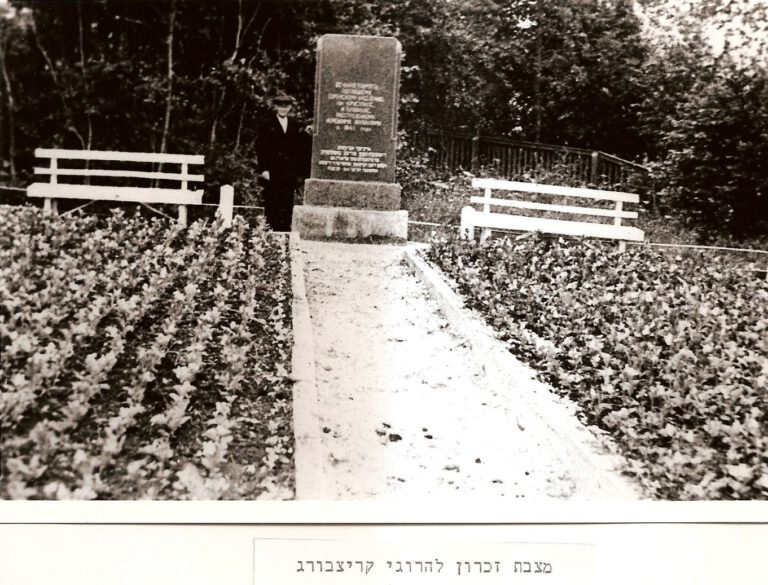
בסיור שורשים שנערך בשנת 2008, תועדו שרידי הקהילה בדאוגבפילס:
C31-1f
C31-2f
C31-3f
C31-4f
C31-5f
C31-6f
C31-7f
C31-8f
C31-9f
C31-10f
C31-11f
C31-12f
These sources constituteStatistical and documentary collectionA comprehensive 1904 study examining theThe economic and social situationof Russian Jews at the end of the 19th century. The text presents detailed demographic data onPopulation of Vitebsk Oblast, while comparing the number of Jews to Christians in cities and villages. A significant part is devoted to analyzing the activities ofCharitable and charitable institutions, including soup kitchens, hospitals, and interest-free loan funds. The sources also review theThe Jewish education system, with an emphasis on attempts to modernize the "room" and the transition to advanced teaching methods. In conclusion, the documents reveal theThe depth of the economic distressAgainst the extensive community relief network established to support those in need.
According to the attached sources, the documented history of the Jewish community in the area, and especially in the cityDaugavpils(previously calledDingenburgorDevinsk), spans centuries, from the 17th century to the present day. It is important to note that the sources focus almost entirely on the history of Judaism.LatviaAnd the cityDaugavpils, where the term "Estonia" appears only once in a modern context (C31-9f). Below is the detailed overview based on the archival findings:
The earliest evidence in sources of Jewish settlement in the areaDingenburgAppears in a document from1693, describing a contract for the sale of rights to collect customs duties (C31-4f). According to this document, the king approved a contract withItzka Zalmanovich StolowitzkiandShmerl Zalmanovich Shereshevsky, who were defined as "royal inspectors general", and they were obliged to place a scribe and a guard at each customs station, including atDingenburg,Vilnius,PolotskandVitebsk(C31-4f).
Community development inDingenburg(Daugbpils) is reflected in the following data from the printed text body of the statistics files:
The Jewish community operated an extensive network of mutual aid institutions:
In a roots tour conducted in 2008, the remains of the community were documented inDaugavpils:
C31-1f
C31-2f
C31-3f
C31-4f
C31-5f
C31-6f
C31-7f
C31-8f
C31-9f
C31-10f
C31-11f
C31-12f