העיר זילופה (Zilupe), הידועה במקורות היהודיים גם כרוזינובסק (Rozinovsh) ובגרמנית כרוזינהוף (Rosinhof), הוקמה על גדות נהר הסינייה (Sineya) בסוף המאה ה-19 (C50-15f, C50-4f). היישוב צמח סביב אחוזתו של הברון רוזן, שהיה מקורב לצאר הרוסי, והתפתח משמעותית בעקבות חנוכת מסילת הברזל בקו וינדאו (ונטספילס)-מוסקבה ובניית תחנת הרכבת בשנת 1900 (C50-15f, C50-3-01f). בשנת 1920 שונה שם המקום מרוזנובה (Rozenova) לזילופה, וב-9 ביוני 1931 העניקה ממשלת לטביה ליישוב מעמד רשמי של עיר (C5-16f, C50-15f). שטחה של העיר עמד על 5.6 קמ"ר, והיא ממוקמת במרחק של כ-3 ק"מ מהגבול עם רוסיה (C50-18-5f). על פי נתוני המפקד משנת 1935, חיו בעיר 1,566 תושבים, מתוכם 471 יהודים (כ-30% מהאוכלוסייה), לצד לטבים, רוסים, בלארוסים, פולנים וגרמנים (C50-15f, C50-18-5f).
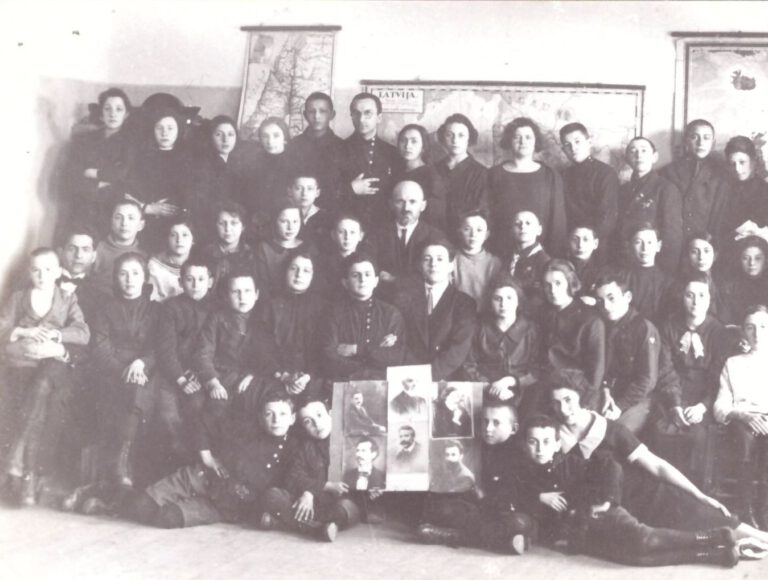
יהודים מהכפרים הסמוכים החלו להתיישב במקום עם ייסודו, והקימו קהילה שכללה בית כנסת ששימש גם לאירועים שונים (C50-4f, C50-1f). רבה הראשון של הקהילה היה הרב אהרון-בצלאל פאול, שכיהן בין השנים 1908–1921, ולאחריו כיהן הרב חיים מנחם נחמקין, שנספה מאוחר יותר עם בני קהילתו בשואה (C50-4f, C50-1f). בקהילה פעלו אגודות צדקה וסעד רבות, ביניהן "ביקור חולים", "סומך נופלים", "הכנסת כלה" ו**"מעות חיטין", וכן סיוע מטעם ארגון ה"ג'וינט"** (C50-1f, C50-4f). בתחום החינוך, בתחילה למדו הילדים בשני "חדרים" מסורתיים, ובשנת 1923 הוקם בית ספר יסודי יהודי שבו שפת ההוראה הייתה יידיש (C50-4f). החל משנת 1930, שפת ההוראה בבית הספר השתנתה לעברית (C50-4f, C50-3-01f).
מרבית בתי היהודים נבנו על הרחוב הראשי של העיר, והם התפרנסו כרוכלים, סוחרים זעירים ובעלי מלאכה כגון חייטים, סנדלרים, נגרים ופחחים (C50-4f). בשנת 1935 פעלו בעיר עסקים יהודיים רבים, ביניהם המכולות של פייגה מן ושיינה אהרן, מאפיית הלחם והקונדיטוריה של מרקה אלתרמן, ואטליז בבעלות פייגה אהרן (C50-18-4f). דמויות בולטות בתחום המסחר כללו את אליעזר גולדברג שניהל בית מרקחת, ואהרן לזר שהקים תחנת כוח להפקת חשמל וכן מנסרה (C50-18-4f, C50-4f). בקהילה התקיימה פעילות פוליטית ענפה של תנועות כגון ה**"בונד"**, "אגודת ישראל", וזרמים ציוניים כגון "צעירי ציון", "בית"ר", "גורדוניה" ותנועת "החלוץ" (C50-1f, C50-4f).
עם נסיגת הצבא הלטבי וכניסת הצבא האדום ללטביה בקיץ 1940, הונהג משטר סובייטי בזילופה (C50-1f, C50-18-6f). בתקופה זו הולאמו חנויות ועסקים, ומשפחות יהודיות אמידות או כאלו שנחשבו כבעלות השפעה הוגלו לסיביריה (C50-4f, C50-1f). המקורות מתארים את הלילות שבהם הופיעו "המכוניות השחורות" של השלטונות כדי לקחת אנשים ליעד בלתי ידוע, ביניהם היה דוד דרייער, שנלקח מביתו וגורלו לא נודע במשך שנים (C5-8f).
ב-22 ביוני 1941 פלשה גרמניה לברית המועצות, וב-28 ביוני 1941 נכבשה זילופה (C50-18-6f, C50-4f). בימים שקדמו לכיבוש, העיר הופצצה על ידי מטוסים גרמניים ופרצה בה שריפה גדולה (C5-8f, C50-5f). חלק מהמשפחות היהודיות הצליחו להימלט לעומק ברית המועצות, לעיתים בעזרת עגלות שסיפקו בעלי עגלה מקומיים כמו בייניש יוחה (C50-18-2f, C5-8f). לאחר הכיבוש, החלו הגרמנים בסיוע של לאומנים לטבים ברצח היהודים (C50-4f). רוב חברי הקהילה ומשפחותיהם נרצחו בבורות ירי בגבעת זובולובסקי (Zobolovski Hill), במרחק של כ-2 ק"מ מהעיר (C50-4f, C50-1f). לפי גרסה אחת, קבוצה גדולה של יהודים רוכזה בבית הכנסת שהועלה באש (C50-4f). המקורות מציינים מעשה גבורה של יהודי שהרג שני גרמנים בעזרת את חפירה לפני שנורה (C50-4f, C50-3-01f). רשימות מפורטות מציינות מאות קורבנות, ביניהם משפחות שלמות כגון משפחת גולדפיין, דרייער, סגל ופונרוב (C50-18-2f). מידע המגיע מהערות בכתב יד מציין כי סימה אהרון, אחותו של חיים אהרון, נפטרה ברוסיה בזמן המלחמה, ואמם נפטרה בגטו (C5-10f). בסיום המלחמה, רק יהודים בודדים נותרו בחיים, חלקם לאחר שירות בדיוויזיה הלטבית של הצבא האדום (C50-18-1f, C5-8f).
The city Zilopa (Zilupe), also known in Jewish sources asRozinovsk (Rozinovsh) and in German asRosinhof (Rosinhof), was established on the banks of the riverSignet (Sineya) at the end of the 19th century (C50-15f, C50-4f). The settlement grew around the estate of Baron Count, who was close to the Russian Tsar, and developed significantly following the inauguration of the railway on the Windau (Ventspils)-Moscow and the construction of the railway station in 1900 (C50-15f, C50-3-01f). In 1920 the name of the place was changed fromRozanova (Rozenova) toZilopa, and on June 9, 1931, the Latvian government granted the settlement official city status (C5-16f, C50-15f). The area of the city was 5.6 km2, and it was located about 3 km from the border with Russia (C50-18-5f). According to the 1935 census, the city had 1,566 inhabitants, of whom 471 Jews (about 30% of the population), alongside Latvians, Russians, Belarusians, Poles and Germans (C50-15f, C50-18-5f).
Jews from nearby villages began to settle in the place upon its founding, establishing a community that included a synagogue that was also used for various events (C50-4f, C50-1f). The community's first rabbi was Rabbi Aharon-Bezalel Paul, who served between 1908–1921, and was followed by Rabbi Chaim Menachem Nachamkin, who later perished with his community members in the Holocaust (C50-4f, C50-1f). Many charitable and relief associations operated in the community, including "Visit to the sick", "Falling Trust", "Bringing in a Bride" And **"From Hittin", as well as assistance from the organization"Joint"** (C50-1f, C50-4f). In the field of education, the children initially studied in two "Rooms" traditional, and in 1923 a Jewish elementary school was established where the language of instruction was Yiddish (C50-4f). Starting in 1930, the language of instruction in the school changed toHebrew (C50-4f, C50-3-01f).
Most of the Jewish houses were built on the city's main street, and they made a living as peddlers, small merchants, and craftsmen such as tailors, shoemakers, carpenters, and tinsmiths (C50-4f). In 1935, many Jewish businesses operated in the city, including the containers of Figa Man andShayna Ahern, the bakery and pastry shop of Mark Alterman, and a butcher shop owned by Feiga Aharon (C50-18-4f). Prominent figures in the field of commerce included Eliezer Goldberg who ran a pharmacy, andAharon Lazar who established a power plant to produce electricity as well as a sawmill (C50-18-4f, C50-4f). The community was active in a wide range of political movements such as the **"Bund"**, "Agudat Israel", and Zionist movements such as "Youth of Zion", "Beitar", "Gordonia" and movement "The Pioneer" (C50-1f, C50-4f).
With the withdrawal of the Latvian army and the entry of The Red Army In the summer of 1940, Soviet rule was imposed on Latvia.Zilopa (C50-1f, C50-18-6f). During this period, shops and businesses were nationalized, and wealthy or influential Jewish families were exiled toSiberia (C50-4f, C50-1f). The sources describe the nights on which they appeared "The Black Cars" of the authorities to take people to an unknown destination, among them was David Dreyer, who was taken from his home and his fate was unknown for years (C5-8f).
On June 22, 1941, Germany invaded the Soviet Union, and on June 28, 1941, it was occupied. Zilopa (C50-18-6f, C50-4f). In the days leading up to the occupation, the city was bombed by German aircraft and a major fire broke out (C5-8f, C50-5f). Some Jewish families managed to escape deep into the Soviet Union, sometimes with the help of wagons provided by local wagon owners such as Beinisch Yocha (C50-18-2f, C5-8f). After the occupation, the Germans, with the help of Latvian nationalists, began the murder of the Jews (C50-4f). Most of the community members and their families were murdered in firing pits inZobolovsky Hill (Zobolovski Hill), about 2 km from the city (C50-4f, C50-1f). According to one version, a large group of Jews gathered in the synagogue, which was set on fire (C50-4f). The sources mention a heroic act by a Jew whoKilled two Germans with a shovel. Before being shot (C50-4f, C50-3-01f). Detailed lists indicate hundreds of victims, including entire families such as the Goldfine, Dryer, staff andPonrov (C50-18-2f). Information from handwritten notes indicates that Sima Aharon, Chaim Aharon's sister, died in Russia during the war, and their mother died in the ghetto (C5-10f). At the end of the war, only a few Jews remained alive, some after serving in theLatvian Division of the Red Army (C50-18-1f, C5-8f).