מקורות אלו מתעדים את ההיסטוריה העשירה והמורכבת של העיר דאוגבפילס (דווינסק), תוך התמקדות מיוחדת בקהילה היהודית המקומית. האוסף כולל סקירות היסטוריות בעברית ובלטבית המפרטות את צמיחת העיר, מוסדותיה והחורבן שהמיטה עליה השואה. רשימות משלוחים ויומנים משנות ה-40 מעידים על פעילות סיוע ושיגור חבילות לניצולים ופליטים באזורי ברית המועצות לשעבר. בנוסף, מוצגים מסמכים משפטיים המאמתים את מקור הרישומים וכן מפות עירוניות מפורטות המציגות את פריסת הרחובות ומבני הציבור. המקורות אף מציינים את שמותיה השונים של העיר בשפות רבות, דבר המשקף את זהותה הרב-תרבותית לאורך הדורות. יחד, החומרים מהווים ארכיון תיעודי רב-ערך המשלב בין מידע גיאוגרפי, דמוגרפי ועדויות אישיות מתקופות מכריעות.
המקורות שהוגשו מתמקדים בתולדות הקהילה היהודית בעיר דאוגאוופילס (Daugavpils), המוכרת במקורות היהודיים וההיסטוריים כדווינסק (Dvinsk), הנמצאת בלטביה (C33-1f, C33-15f, C33-25f).
העיר נוסדה בשנת 1275 על ידי מסדר האבירים הליבוני כמבצר על גדות נהר הדאוגווה (Daugava), המוכר גם בשם דווינה (Dvina) (C33-1f, C33-25f, C33-156). לאורך תולדותיה נודעה העיר בשמות שונים: דינאבורג (Dinaburg) בפי הגרמנים, דווינסק בפי הרוסים, ובוריסוגלבסק (Borisoglebsk) לתקופה קצרה במאה ה-17 (C33-1f, C33-20f, C33-156). העיר עברה ידיים רבות בין השלטון הפולני-ליטאי, הרוסי (החל מ-1772) והלטבי העצמאי (1920–1940) (C33-1f, C33-25f).
יהודים החלו להתיישב בעיר במאה ה-17, אך הקהילה התארגנה רשמית לאחר הסיפוח לרוסיה (C33-25f). בשנת 1772 נמנו בעיר 176 יהודים בלבד (C33-3f, C33-25f). הגידול המשמעותי החל בשנת 1835 עם הכללת העיר בתחום המושב, ובשנת 1897 כבר היו בה 32,369 יהודים, שהיוו כ-46.5% מכלל האוכלוסייה (C33-3f, C33-25f). ערב מלחמת העולם הראשונה, בשנת 1913, הגיעה הקהילה לשיא גודלה עם 55,680 נפש (C33-1f, C33-15f). לאחר המלחמה ובתקופת העצמאות הלטבית הצטמצמה האוכלוסייה לכ-11,000 נפש בשנות ה-30 (C33-3f, C33-25f, C33-75).
דווינסק נודעה כאחד המרכזים התורניים החשובים ביותר ביהדות אירופה. בעיר פעלו שני ענקי תורה בו-זמנית:
בעיר היו כ-40 בתי כנסת, ביניהם "הכוראל-שול" (Choir Shul) הגדול שנבנה ב-1865, וישיבות רבות (C33-1f, C33-25f). מערכת החינוך הייתה מגוונת וכללה תלמודי תורה, בתי ספר של "אגודת ישראל" (בהם שפת ההוראה הייתה יידיש) ובתי ספר עבריים ומקצועיים של רשת "אורט" (C33-1f, C33-25f, C33-62).
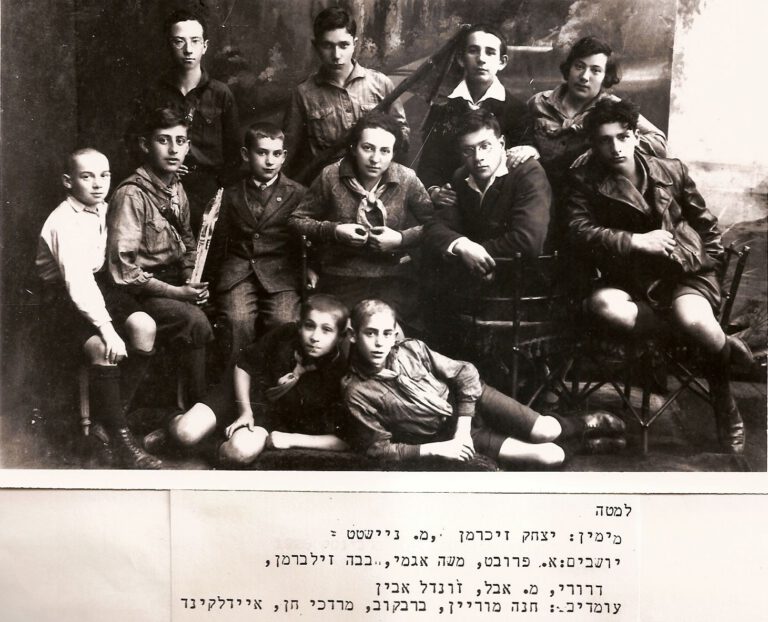
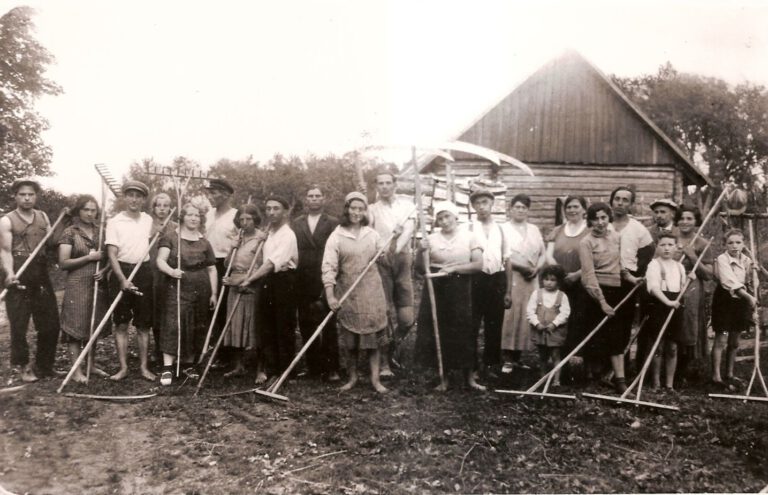
דווינסק הייתה מוקד תוסס של תנועות פועלים ותנועות ציוניות.
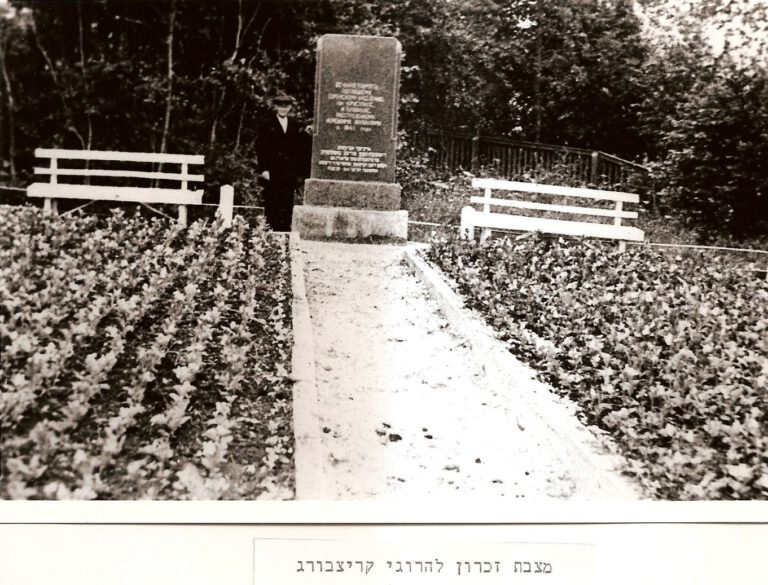
חורבן הקהילה החל עם הכיבוש הגרמני ב-26 ביוני 1941 (C33-1f, C33-52).
לאחר המלחמה התארגנה קהילה קטנה של כ-2,000 נפש שכללה ניצולים ושבים מרוסיה (C33-52). בשנת 1972 נסגר בית העלמין היהודי בהוראת השלטונות, ונותר בעיר רק בית כנסת אחד פעיל (C33-52, C33-53).
C33-1f
C33-2f
C33-3f
C33-4f
C33-5f
C33-6f
C33-7f
C33-8f
C33-9f
C33-10f
C33-11f
C33-12f
C33-13f
C33-14f
C33-15f
C33-16f
C33-17f
C33-18f
C33-19f
C33-20f
C33-21f
C33-22f
C33-24f
C33-25f
These sources document the city's rich and complex historyDaugavpils(Dvinsk), with a special focus on the local Jewish community. The collection includesHistorical reviewsIn Hebrew and Latvian, detailing the growth of the city, its institutions, and the devastation inflicted by the Holocaust.Shipping listsAnd diaries from the 1940s testify to aid activities and the sending of packages to survivors and refugees in the regions of the former Soviet Union. In addition, exhibitsLegal documentswho verify the origin of the records andCity mapsDetailed maps showing the layout of the streets and public buildings. The sources also mention theIts various namesThe city's history is written in many languages, reflecting its multicultural identity throughout the ages. Together, the materials constituteDocumentary archiveA valuable resource that combines geographical, demographic information and personal testimonies from crucial periods.
The sources submitted focus on the history of the Jewish community in the city.Daugavpils(Daugavpils), known in Jewish and historical sources asDvinsk(Dvinsk), located inLatvia(C33-1f, C33-15f, C33-25f).
The city was founded in1275by the Livonian Order of Knights as a fortress on the banks of the RiverDaugava(Daugava), also known asDavina(Dvina) (C33-1f, C33-25f, C33-156). Throughout its history the city has been known by various names:Dinaburg(Dinaburg) According to the Germans,DvinskAccording to the Russians, andBorisoglebsk(Borisoglebsk) for a short period in the 17th century (C33-1f, C33-20f, C33-156). The city passed through many hands between Polish-Lithuanian, Russian (from 1772) and independent Latvian rule (1920–1940) (C33-1f, C33-25f).
Jews began to settle in the city in the 17th century, but the community was officially organized after the annexation to Russia (C33-25f). In 1772, the city had176 Jewsonly (C33-3f, C33-25f). The significant growth began in 1835 with the inclusion of the city inThe seat area, and in 1897 there were already32,369 Jews, who constituted about 46.5% of the total population (C33-3f, C33-25f). On the eve of World War I, in 1913, the community reached its peak size with55,680 people(C33-1f, C33-15f). After the war and during the period of Latvian independence, the population decreased to about 11,000 people in the 1930s (C33-3f, C33-25f, C33-75).
Dvinsk was known as one of the most important Torah centers in European Jewry. Two Torah giants operated in the city at the same time:
There were about 40 synagogues in the city, including"The Choral-Shoul"The large Choir Shul (built in 1865), and numerous yeshivots (C33-1f, C33-25f). The educational system was diverse and included Talmud Torah studies, schools of"Agudat Israel"(where the language of instruction was Yiddish) and Hebrew and vocational schools of the"ORT"(C33-1f, C33-25f, C33-62).
Dvinsk was a vibrant center of labor and Zionist movements.
The destruction of the community began with the German occupation on June 26, 1941 (C33-1f, C33-52).
After the war, a small community of about 2,000 people was organized, including survivors and returnees from Russia (C33-52). In 1972, the Jewish cemetery was closed by order of the authorities, and only one active synagogue remained in the city (C33-52, C33-53).
C33-1f
C33-2f
C33-3f
C33-4f
C33-5f
C33-6f
C33-7f
C33-8f
C33-9f
C33-10f
C33-11f
C33-12f
C33-13f
C33-14f
C33-15f
C33-16f
C33-17f
C33-18f
C33-19f
C33-20f
C33-21f
C33-22f
C33-24f
C33-25f