Tukums file / תיק קהילה

Tukums file / תיק קהילה

עברית
English

✉️ הזמנה למסיבת כבוד לראובן פרבר במוזיאון מכבי

מקבץ המקורות מציג סקירה היסטורית ותיעודית רחבה של קהילת יהודי טוקום שבלטביה, החל מהתפתחותה במאה ה-19 ועד לשיקומה המודרני. המסמכים כוללים סקירות היסטוריות על מוסדות החינוך, הדת והכלכלה המקומיים, לצד עדויות כואבות על חורבן הקהילה בידי הנאצים ותומכיהם במהלך השואה. חלק ניכר מהחומר מוקדש לתיעוד הלוחמים היהודים בני העיר שלקחו חלק במאבק נגד הפשיזם ורשימות שמיות של נופלים. בנוסף, המקורות מציגים התכתבויות רשמיות, גזרי עיתונות וצילומים המשקפים את חיי היומיום ואת המאמצים העכשוויים לשימור המורשת היהודית בעיר. המקבץ כולו משמש כיד זיכרון לקהילה משגשגת שנמחקה כמעט כליל, תוך הדגשת הקשר החי בין הניצולים וצאצאיהם לבין עיר מולדתם.

תולדות הקהילה היהודית בתוקום (Tukums/Tukkum), השוכנת בחבל קורלנד (Kurland) שבלטביה, מתועדות במקורות החל מסוף המאה ה-18, אז הותר ליהודים להתיישב במקום בעקבות הסיפוח הרוסי ב-1796 (C52-30f, C52-3f). ראשית היישוב במקום קדומה יותר, תחת שלטון המסדר הטבטוני במאה ה-13, אך מפקד משנת 1797 טרם כלל יהודים בעיר (C52-30f, C52-1f).

התפתחות דמוגרפית ומוסדות הקהילה

בשנת 1801 כבר נרשמו בתוקום חברה קדישא וחדר. היהודים הראשונים הגיעו מאחוזות האצולה, מכפרים סמוכים וממזרח פרוסיה (C52-30f). האוכלוסייה היהודית צמחה במהירות: ב-1850 היו בעיר 2,887 יהודים (47% מהתושבים), ב-1897 מנתה הקהילה 2,561 נפשות (34% מהאוכלוסייה), ובשנת 1910 הגיע מספרם לשיא של 5,500 נפש, שהיוו 46% מכלל התושבים (C52-30f, C52-3f).

הקהילה נודעה באדיקותה, ובראשה עמדה שושלת רבנים ממשפחת ליכטנשטיין. המייסד, הרב מרדכי ליכטנשטיין, כיהן בתחילת המאה ה-19, ואחריו בנו, הרב אליעזר ל. ליכטנשטיין, שהיה ידוע בהתנגדותו לכל סטייה מהמסורת (C52-30f). הרב האחרון של העיר היה הרב לוי ליכטנשטיין, אשר נספה בשואה (C52-30f, C52-1f). המקורות מציינים כי בעיר פעלו שלושה בתי כנסת (C52-30f).

כלכלה, חברה ופוליטיקה

במאה ה-19 עסקו מרבית היהודים במסחר ובמלאכה זעירה. חלקם עברו באמצע המאה לאזורים חקלאיים בדרום רוסיה בשל קשיים כלכליים (C52-30f). במאה ה-20 השתפר המצב, וב-1935 החזיקו יהודים ב-48% מהעסקים בעיר (C52-30f, C52-3f). בין העסקים היו מפעלים קטנים לטקסטיל ובורסקאות (C52-30f).

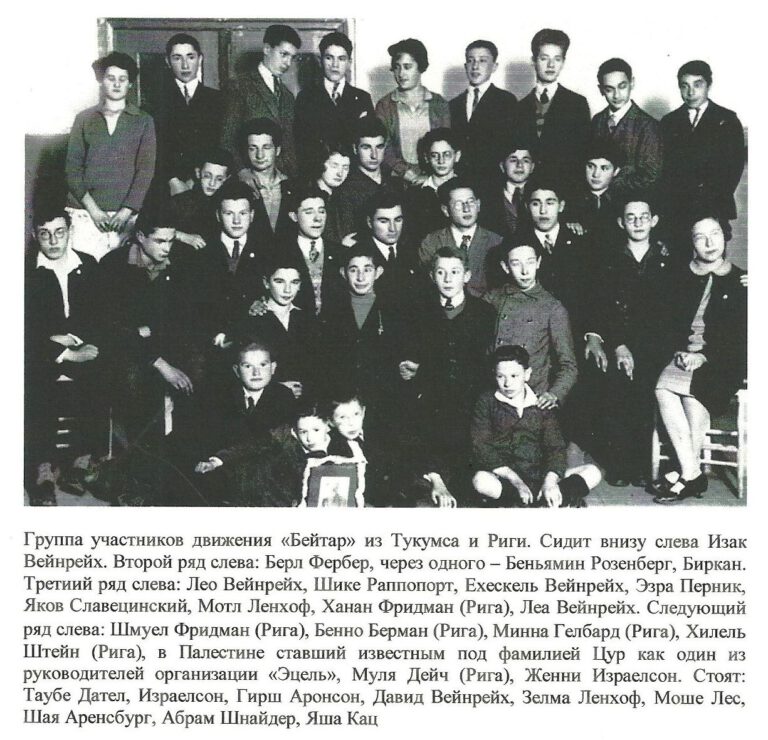
הפעילות הפוליטית הייתה ענפה וכללה סניף של הבונד, שהיה פעיל במהפכת 1905, וכן פעילות ציונית שהחלה בראשית המאה ה-20 (C52-30f). תנועות נוער כמו החלוץ, בית"ר וגורדוניה פעלו במקום, וב-1924 נפתח סניף של מכבי (C52-30f, C52-3f). בחיי התרבות בלטו מקהלה וחוג דרמה (C52-30f).

תקופת השואה: החורבן המוחלט

תקופת השואה בתוקום החלה בצל הסכם ריבנטרופ-מולוטוב. בקיץ 1940 נכנס הצבא האדום, ועסקים יהודיים הולאמו. באמצע יוני 1941 הוגלו מספר משפחות יהודיות לסיביריה (C52-30f, C52-3f). הצבא הגרמני כבש את העיר ב-1 ביולי 1941 (C52-30f, C52-1f).

בתוך ימים ספורים רוכזו יהודי העיר והכפרים הסמוכים בבתי הכנסת. אלו שנמצאו כשירים נלקחו לעבודות כפייה (C52-30f). במהלך חודש יולי נערך "משפט ראווה" למנהיגי הקהילה באשמת שיתוף פעולה עם הבולשביקים, והם הוצאו להורג (C52-30f, C52-3f). באמצע יולי 1941 נלקחו הגברים היהודים לאזור אגם ולגומס (Valgums), שם אולצו לחפור בורות ונורו למוות (C52-30f, C52-3f). למחרת הובאו שאר חברי הקהילה לאותה נקודה ושם נרצחו. לפי גרסה אחת במקורות, חלק מהיהודים נרצחו בתוך בתי הכנסת שהועלו באש על יושביהם (C52-30f). רק אישה יהודייה אחת הצליחה להימלט (C52-30f). המקורות מציינים כי משפחות יהודיות רבות נרצחו בבורות בסטארי רוס ובמקומות נוספים בחזית (C52-1af).

דמויות בולטות ומשפחות

  • משפחת פרבר (Ferber): משפחה ענפה ופעילה בתוקום, המכונה "הדור הבלתי שגרתי". שלושת ה"סניורים" (האבות המייסדים) היו חיים, ישראל ואהרון (C52-21f). בני המשפחה היו פעילים בספורט (הקימו קבוצת כדורגל משפחתית ששיחקה מול מכבי), במוזיקה ובציונות (C52-21f, C52-22f). רבים מהם נספו בשואה או בסיביריה, אך חלקם הצליחו להגיע לישראל ולתרום להקמתה (C52-21f).
  • ישראל קשת (Keshet): (במקור ישרואל סרולו פרבר) היה דמות אלטרואיסטית בולטת, סייע רבות לקרוביו ולחבריו בתקופות קשות ברוסיה ולאחר מכן בישראל (C52-21f, C52-22f).
  • יעקב קראסין (Yakov Karazin): מחבר הספר "יהודי העיר תוקום", שתיעד את קורות הקהילה והשואה (C52-16-23f, C52-1af).
  • בנימין פרבר (Yomchik): רופא עיניים מומחה שהציל את מאור עיניהם של רבים, שירת כמנתח בחזית וזכה להערכה רבה (C52-21f, C52-22f).

לאחר המלחמה ושימור הזיכרון

לאחר המלחמה חזרו לעיר ניצולים מעטים ומפונים מרוסיה. בית הכנסת שימש כמחסן תבואה, ובית הרב הפך למקום תפילה (C52-30f). בשנות ה-50 חיו בעיר בין 250 ל-300 יהודים, אך פעילות הקהילה דעכה בשנות ה-60 בהוראת השלטונות (C52-30f, C52-3f). בית הכנסת הוסב למפעל, וארון הקודש הועבר למוזיאון (C52-30f).

בסוף שנות ה-90 עלה חשש כבד להרס בית העלמין היהודי העתיק לצורך סלילת כביש ובניית בתים (C52-25f). פניות של ארגונים בינלאומיים לנשיא לטביה ולראש העיר ניסו למנוע חילול זה (C52-25f). בפתק בכתב יד על מסמך מ-1998 מצוין כי המועצה המקומית החליטה שהכביש יעבור באזור בית העלמין היהודי (C52-25f). בשנת 2010 נחנך מחדש מבנה בית הכנסת לשעבר כמרכז לילדים עם מוגבלויות, ביוזמת אנשי עסקים וקהילת "שמיר" (C52-26f).

מונחים והסברים

  • קורלנד (Kurland): חבל ארץ היסטורי במערב לטביה שבו שכנה הקהילה (C52-1f).
  • חברה קדישא: גוף קהילתי האחראי על קבורה יהודית ורישום נפטרים (C52-30f).
  • בונד (Bund): מפלגת פועלים יהודית סוציאליסטית שהייתה פעילה בעיר (C52-30f).
  • הכשרה (Hachshara): מרכזים להכשרת צעירים יהודים לעבודה חקלאית לקראת עלייה לארץ ישראל; בתוקום פעל אחד ממרכזי ההכשרה הבודדים בלטביה (C52-21f).
  • פרוניק פוסט (Perkonkrusts): ארגון לטבי ימני לאומני שהתנכל ליהודים (C52-21f).

רשימת מקורות

לצפייה במסמך, הקלק על מספרו
  • C52-1af – מאמר ברוסית על לוחמים יהודים מטוקום במלחמת העולם השנייה
  • C52-1f – סקירה היסטורית ודמוגרפית מפורטת על יהודי טוקום
  • C52-2af – הזמנה רשמית למסיבה לכבוד ראובן פרבר בחיפה (1995)
  • C52-2f – נתונים סטטיסטיים ומפות ממפקד האוכלוסין בטוקום (1935)
  • C52-3f – סקירה היסטורית בעברית על התפתחות היישוב היהודי בטוקום
  • C52-4f – כרטיסי מידע של בית התפוצות על הקהילה היהודית בטוקום
  • C52-5f – טבלאות נתונים דמוגרפיים על יהודי קורלנד במאה ה-19
  • C52-6f – עדות או פרוטוקול ראיון על חיי היהודים בטוקום
  • C52-7f – סיכום עדויות ורשימות בכתב יד על דמויות בקהילה
  • C52-8f – ביוגרפיות של אברהם מנחם ובן-ציון האלצמן מתוך לקסיקון
  • C52-9f – ביוגרפיות של אישים ממשפחות פרלמן ופלאום מתוך לקסיקון
  • C52-10f – ביוגרפיה של דניאל בורשטיין מתוך לקסיקון אישים
  • C52-11f – ביוגרפיות של מרדכי ליכטנשטיין ומשפחת יודלזון מתוך לקסיקון
  • C52-12f – ביוגרפיה ותולדות חייו של ברוך פפרמייסטר
  • C52-13f – ביוגרפיה ותולדות חייו של אהרון פפרמייסטר
  • C52-14f – מעטפה וצילום תעודה מזהה רוסית של דוד ליכטנשטיין
  • C52-15f – תעודה רשמית ברוסית משנת 1895 עבור יוסף בלומנשטיין
  • C52-16-1f – דיווחים מעיתון המליץ על טוקום וערים נוספות (1883)
  • C52-16-2f – דיווחים מטוקום ומקומות נוספים מעיתון המליץ (1885)
  • C52-16-3f – ידיעות עיתונאיות מסנט פטרבורג ומטוקום (1885)
  • C52-16-4f – כתבות מעיתון המליץ על ענייני צדקה בטוקום (1886)
  • C52-16-5f – דיווחים מעיתון המליץ על טוקום וקהילות יהודיות אחרות (1886)
  • C52-16-7f – כתבות על קהילת טוקום ופועלו של יהושע בלומנשטיין (1887)
  • C52-16-8f – דיווחים מטוקום ומערים נוספות ברוסיה מעיתון המליץ (1887)
  • C52-16-9f – רשימת תורמים וידיעות קהילתיות מטוקום (1887)
  • C52-16-10f – דיווח מעיתון המליץ על המצב בטוקום בשנת 1888
  • C52-16-11f – כתבה מעיתון המליץ על הקהילה היהודית בטוקום (1888)
  • C52-16-12f – ידיעות עיתונאיות משנת 1889 על קהילות טוקום וקרמנצ'וג
  • C52-16-13f – דיווחים מעיתון המליץ על ענייני הקהילה בטוקום (1889)
  • C52-16-14f – קטעי עיתונות משנת 1893 העוסקים בחינוך ודת
  • C52-16-15f – ידיעות מטוקום ודיווחים על אירועים בעולם משנת 1896
  • C52-16-16f – קטעי עיתונות העוסקים במצב היהודים בוורשה ובבריטניה
  • C52-16-17f – עמודי עיתון ברוסית משנת 1912 עם ידיעות על טוקום
  • C52-16-18f – מאמר ברוסית על רפואה ובית מרקחת אצל היהודים הקדמונים
  • C52-16-19f – כתבה ברוסית על ברית ערים תאומות בין טוקום לבני עי"ש
  • C52-16-20f – כתבות בלטבית על פרויקט הנצחה ונוער יהודי בטוקום (2001)
  • C52-16-21f – גזירי עיתון בלטבית על משלחות נוער וזיכרון הקהילה
  • C52-16-22f – עמודי עיתון בלטבית הכוללים טורי דעה ודיווחים קהילתיים
  • C52-16-23f – מאמר על ספרו של יעקב קרסין העוסק ביהודי טוקום
  • C52-17f – ברושור תיירותי המפרט את אתרי העיר טוקום
  • C52-18f – הזמנה לחתונה משנת 1913 ורישומים משפחתיים בכתב יד
  • C52-19f – שאלון אישי של איגוד יוצאי לטביה עבור יעקב קרסין
  • C52-20f – התכתבות עם מוזיאון טוקום ורשימת אסירים מהשואה
  • C52-21f – חיבור באנגלית על תולדות משפחת פרבר בלטביה
  • C52-22f – תרגום לרוסית של החיבור על דורות משפחת פרבר
  • C52-23f – גזיר עיתון ברוסית בנושא ברית ערים תאומות (2001)
  • C52-24f – קטע מאנציקלופדיה בלטבית על ההיסטוריה של טוקום
  • C52-25f – מסמכים ומ מאמר באנגלית על הצלת בית העלמין בטוקום
  • C52-26f – כתבה ברוסית על חנוכת מרכז לילדים בבית כנסת לשעבר
  • C52-27f – רשימה שמית ותמונות של לוחמים יהודים מטוקום במלחמה
  • C52-28f – הזמנה מטעם מוזיאון מכבי לאירוע הוקרה לראובן פרבר
  • C52-29f – אישור העסקה רשמי בלטבית משנת 1931 עבור יוסל קץ
  • C52-30f – סקירה היסטורית באנגלית על תולדות הקהילה והשואה בטוקום

כאן יוצג המסמך/המקור שייבחר

⬅ חזרה לרשימת המסמכים

**Return to Communities Table**

✉️ Invitation to a party in honor of Reuven Farber at the Maccabi Museum

The source collection presents a broad historical and documentary overview of Jewish Community of Tocumen in Latvia, from its development in the 19th century to its modern reconstruction. The documents include Historical reviews On the local educational, religious and economic institutions, alongside Painful testimonies On the destruction of the community by the Nazis and their supporters during the Holocaust. A significant portion of the material is devoted to documentation The Jewish warriors The townspeople who took part in the fight against fascism and Semitic lists of those who fell. In addition, the sources present Official correspondence, newspaper clippings and photographs reflecting daily life and contemporary efforts to preserve the city's Jewish heritage. The entire collection serves asHand of Memory to a thriving community that was almost completely wiped out, emphasizing the living connection between the survivors and their descendants and their hometown.

History of the Jewish Community inTocumen (Tukums/Tukkum), located in the region Courland (Courland) againLatvia, are documented in sources from the late 18th century, when Jews were allowed to settle in the area following the Russian annexation in 1796 (C52-30f, C52-3f). The beginning of settlement in the area dates back to an earlier period, under the rule of Teutonic Order In the 13th century, but a census from 1797 did not yet include Jews in the city (C52-30f, C52-1f).

Demographic development and community institutions

In 1801, there were already registeredTocumen Sherva Kadisha androom. The first Jews came from the noble estates, from nearby villages and from East Prussia (C52-30f). The Jewish population grew rapidly: in 1850 there were 2,887 Jews in the city (47% of the population), in 1897 the community numbered 2,561 (34% of the population), and in 1910 their number reached a peak of 5,500, which constituted 46% of the total population (C52-30f, C52-3f).

The community was known for its piety, and was headed by a dynasty of rabbis from the LiechtensteinThe founder, the rabbi Mordechai Lichtenstein, served in the early 19th century, and was succeeded by his son, Rabbi Eliezer L. Lichtenstein, who was known for his opposition to any deviation from tradition (C52-30f). The city's last rabbi was Rabbi Levi Lichtenstein, who perished in the Holocaust (C52-30f, C52-1f). The sources indicate that three synagogues operated in the city (C52-30f).

Economy, Society and Politics

In the 19th century, most Jews were engaged in trade and small crafts. Some moved to agricultural areas in southern Russia in the middle of the century due to economic difficulties (C52-30f). In the 20th century, the situation improved, and by 1935 Jews owned 48% of the city's businesses (C52-30f, C52-3f). Among the businesses were small textile factories and tanneries (C52-30f).

Political activity was extensive and included a branch of theBond, who was active in the 1905 Revolution, as well as Zionist activity that began in the early 20th century (C52-30f). Youth movements such as The pioneer, Beitar andGordonia operated there, and in 1924 a branch of Maccabi (C52-30f, C52-3f). A choir and a drama club were prominent in cultural life (C52-30f).

The Holocaust Period: The Absolute Destruction

The Holocaust periodTocumen Began under an agreement Ribbentrop-Molotov. In the summer of 1940, the Red Army entered, and Jewish businesses were nationalized. In mid-June 1941, several Jewish families were deported to Siberia (C52-30f, C52-3f). The German army occupied the city on July 1, 1941 (C52-30f, C52-1f).

Within a few days, the Jews of the city and the surrounding villages were gathered in synagogues. Those found fit were taken to forced labor (C52-30f). During July, a "show trial" was held of the community leaders on charges of collaboration with the Bolsheviks, and they were executed (C52-30f, C52-3f). In mid-July 1941, the Jewish men were taken to the area Lake Walgoms (Valgums), where they were forced to dig pits and shot to death (C52-30f, C52-3f). The next day the rest of the community were brought to the same spot and murdered there. According to one version in the sources, some of the Jews were murdered inside the synagogues that were set on fire with their occupants (C52-30f). Only one Jewish woman managed to escape (C52-30f). The sources state that many Jewish families were murdered in pits inStarry Ross and in other places on the front (C52-1af).

Prominent figures and families

  • The Ferber family: A large and active family inTocumen, known as the "Unconventional Generation." The three "seniors" (founding fathers) were life, Israel andAaron (C52-21f). The family members were active in sports (they formed a family soccer team that played against Maccabi), in music and Zionism (C52-21f, C52-22f). Many of them perished in the Holocaust or in Siberia, but some managed to reach Israel and contribute to its establishment (C52-21f).
  • Israel Keshet: (originally Israel Sarulu Farber) was a prominent altruistic figure, greatly assisting his relatives and friends during difficult times in Russia and later in Israel (C52-21f, C52-22f).
  • Yakov Karazin: Author of the book "The Jews of the City Resurrect", which documented the history of the community and the Holocaust (C52-16-23f, C52-1af).
  • Benjamin Farber (Yomchik): An expert ophthalmologist who saved the eyesight of many, served as a surgeon on the front and was highly respected (C52-21f, C52-22f).

After the war and preserving memory

After the war, a few survivors and evacuees from Russia returned to the city. The synagogue served as a grain warehouse, and the rabbi's house became a place of prayer (C52-30f). In the 1950s, between 250 and 300 Jews lived in the city, but community activity declined in the 1960s on the orders of the authorities (C52-30f, C52-3f). The synagogue was converted into a factory, and the Holy Ark was transferred to a museum (C52-30f).

In the late 1990s, there was serious concern about the destruction of the ancient Jewish cemetery for the purpose of paving a road and building houses (C52-25f). Appeals from international organizations to the President of Latvia and the mayor attempted to prevent this desecration (C52-25f). A handwritten note on a document from 1998 states that the local council decided that the road would pass through the area of ​​the Jewish cemetery (C52-25f). In 2010, the former synagogue building was rededicated as a center for children with disabilities, at the initiative of businessmen and the "Shamir" community (C52-26f).

Terms and explanations

  • Kurland: A historical region in western Latvia where the community was located (C52-1f).
  • Hevra Kadisha: A community body responsible for Jewish burials and registration of the deceased (C52-30f).
  • Bond: A Jewish socialist workers' party that was active in the city (C52-30f).
  • Hachshara (Training): Centers for training young Jews for agricultural work in preparation for immigration to Israel; one of the few training centers in Latvia operated in Tokom (C52-21f).
  • Perkonkrusts: A right-wing nationalist Latvian organization that persecuted Jews (C52-21f).

List of sources

To view the document, click on its number.
  • C52-1af – An article in Russian about Jewish fighters from Tokmok in World War II
  • C52-1f – A detailed historical and demographic overview of the Jews of Tukum
  • C52-2af – Official invitation to a party in honor of Reuven Farber in Haifa (1995)
  • C52-2f – Statistical data and maps from the Tocumen census (1935)
  • C52-3f – A historical overview in Hebrew of the development of the Jewish settlement in Tukum
  • C52-4f – Information cards from Beit Hatfutsot about the Jewish community in Tocumen
  • C52-5f – Demographic data tables on the Jews of Courland in the 19th century
  • C52-6f – Testimony or interview transcript about Jewish life in Tocumen
  • C52-7f – Summary of testimonies and handwritten notes about figures in the community
  • C52-8f – Biographies of Avraham Menachem and Ben-Zion Haltzman from a lexicon
  • C52-9f – Biographies of individuals from the Perlman and Plum families from the Lexicon
  • C52-10f – Biography of Daniel Burstein from the Lexicon of Personalities
  • C52-11f – Biographies of Mordechai Lichtenstein and the Yudelson family from the Lexicon
  • C52-12f – Biography and life story of Baruch Pfeffermeister
  • C52-13f – Biography and life story of Aaron Pfeffermeister
  • C52-14f – Envelope and photocopy of David Lichtenstein's Russian ID card
  • C52-15f – Official certificate in Russian from 1895 for Joseph Blumenstein
  • C52-16-1f – Newspaper reports recommended Tocumen and other cities (1883)
  • C52-16-2f – Reports from Tocumen and other places from the Hemlitz newspaper (1885)
  • C52-16-3f – Press reports from St. Petersburg and Metokum (1885)
  • C52-16-4f – Articles from a newspaper recommended on charitable matters in Tukum (1886)
  • C52-16-5f – Newspaper reports recommended Tucum and other Jewish communities (1886)
  • C52-16-7f – Articles about the Tocumen community and the work of Yehoshua Blumenstein (1887)
  • C52-16-8f – Reports from Tukum and other cities in Russia from the Hemlitz newspaper (1887)
  • C52-16-9f – List of Donors and Community News from Tocumen (1887)
  • C52-16-10f – A newspaper report recommended the situation in Tocumen in 1888
  • C52-16-11f – An article from a newspaper commending the Jewish community in Tukum (1888)
  • C52-16-12f – Newspaper reports from 1889 about the communities of Tukum and Kremenchug
  • C52-16-13f – Reports from a newspaper recommended on community affairs in Tocumen (1889)
  • C52-16-14f – Newspaper clippings from 1893 dealing with education and religion
  • C52-16-15f – News from Tocumen and reports on world events from 1896
  • C52-16-16f – Press clippings dealing with the situation of Jews in Warsaw and Britain
  • C52-16-17f – Pages of a Russian newspaper from 1912 with news about Tocumen
  • C52-16-18f – An article in Russian about medicine and pharmacy among the ancient Jews
  • C52-16-19f – An article in Russian about the twin cities alliance between Tocumen and Bnei Aisha
  • C52-16-20f – Articles in Latvian about the commemoration project and Jewish youth in Tocumen (2001)
  • C52-16-21f – Newspaper clippings in Latvian about youth missions and community memory
  • C52-16-22f – Newspaper pages in Latvian that include opinion columns and community reports
  • C52-16-23f – An article about Yaakov Krasin's book dealing with the Jews of Tukum
  • C52-17f – A tourist brochure detailing the sites of the city of Tocumen
  • C52-18f – Wedding invitation from 1913 and handwritten family records
  • C52-19f – Personal questionnaire from the Latvian Immigrants Association for Yaakov Krasin
  • C52-20f – Correspondence with the Tocumen Museum and a list of prisoners from the Holocaust
  • C52-21f – An essay in English on the history of the Farber family in Latvia
  • C52-22f – Russian translation of the essay on the generations of the Farber family
  • C52-23f – Russian newspaper clipping on the subject of the Twin Cities Alliance (2001)
  • C52-24f – Excerpt from a Latvian encyclopedia about the history of Tocumen
  • C52-25f – Documents and an English article about saving the cemetery in Tocumen
  • C52-26f – An article in Russian about the inauguration of a children's center in a former synagogue
  • C52-27f – Semitic list and photos of Jewish fighters from Tokmok in the war
  • C52-28f – Invitation from the Maccabi Museum to an event honoring Reuven Farber
  • C52-29f – Official Latvian employment certificate from 1931 for Yossel Katz
  • C52-30f – A historical overview in English about the history of the community and the Holocaust in Tocumen

The selected document/source will be displayed here.

⬅ Back to the list of documents

**Return to Communities Table**

הוסף תגובה

מאמרים קשורים